
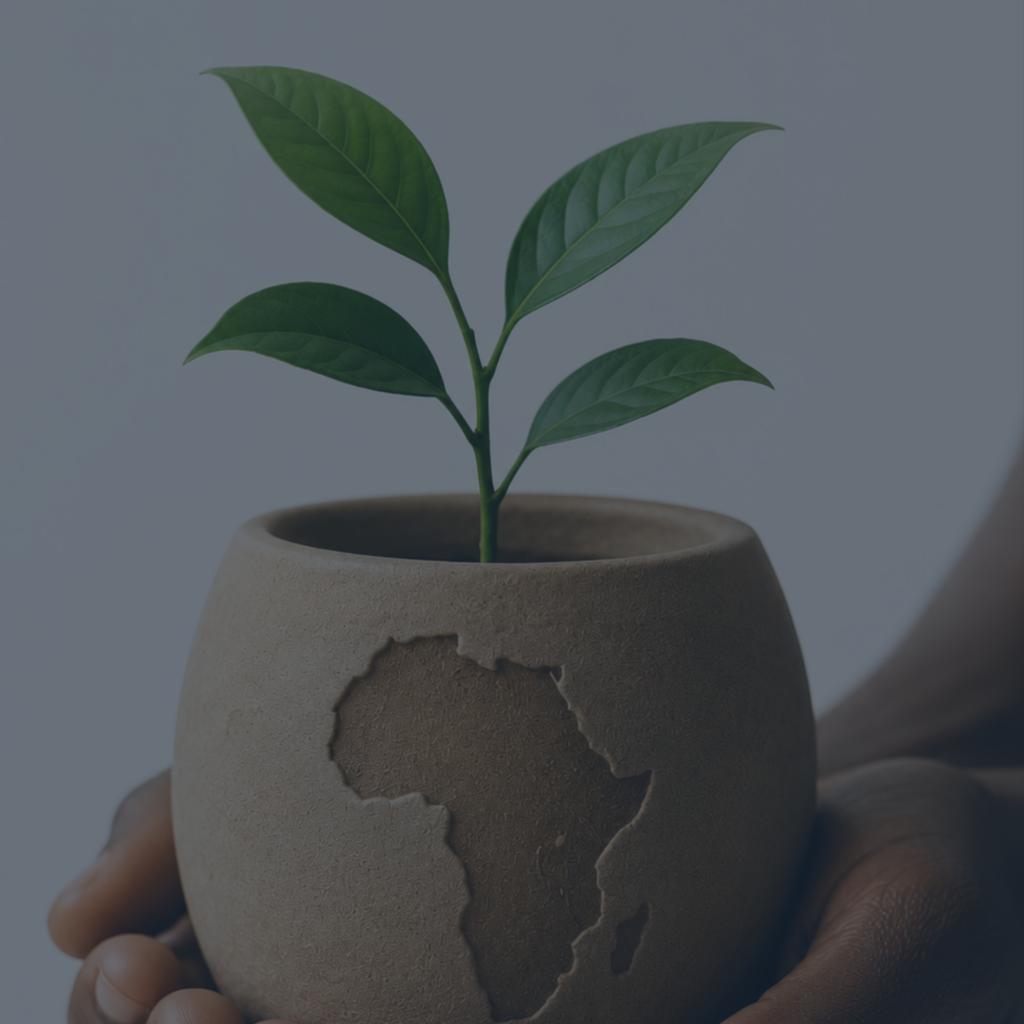
CASE STUDY
The Gap is Not Generosity
What AfricaGiving Is Learning About Digital Fundraising in Africa
By Nontsikelelo Nzula
The future of digital fundraising in Africa will not be determined by technology alone. Mobile phones are widespread, digital payment systems continue to expand, and internet connectivity is steadily improving. Yet one of the most important lessons we have learned at AfricaGiving is that technology is rarely the main barrier to giving. The real challenge is trust.
After several years of working with nonprofits, community organisations and everyday givers across the continent, we have come to recognise a simple truth: Africa does not suffer from a shortage of generosity. What often limits digital fundraising is the absence of strong relationships, effective communication and trusted systems.
Generosity Is Not the Problem
Many discussions about fundraising begin with the assumption that people are unwilling to give. Our experience suggests otherwise.
Across Africa, people support relatives, neighbours, faith communities and local causes every day. They contribute money, time, labour and material resources, often under difficult economic circumstances. Giving remains deeply embedded in social and cultural life.
The challenge is that much of this generosity flows through personal networks rather than formal institutions. For many people, giving is relational before it is organisational. Trust is built through people, not platforms.
Communication Builds Commitment
One of the clearest lessons we have learned is that giving grows where communication is consistent. People give when they understand a need, but they continue giving when they remain connected to the story. Too often, organisations launch a campaign, make an appeal and then disappear until their next fundraising request. Relationships cannot be built that way.
Donors want to know what happened. They want to see progress, hear stories and understand the impact of their contributions. Consistent communication transforms a transaction into a relationship. Fundraising is not simply about asking for money. It is about helping people feel connected to a cause over time.
Trust Must Be Earned
A significant number of potential donors remain unconvinced about formal giving channels. Many people are generous in private life but hesitant when approached by institutions. This hesitation is understandable. Questions about transparency, accountability and misuse of funds continue to shape public perceptions of charitable giving. In conversations with donors, concerns often centre on a simple question: Will my contribution reach its intended destination?
Digital giving platforms such as AfricaGiving therefore face a double challenge. They must provide efficient technology while also building confidence. Transparency, regular reporting and visible impact are among the most effective ways to cultivate trust, which is not built once but repeatedly.
The Perception Challenge Facing Nonprofits
Another reality that deserves attention is how nonprofit organisations are perceived. Many NGOs are associated with donor funding, international connections, and professional employment opportunities. As a result, they are not always viewed as institutions that require public support. When someone is struggling to support their household, donating to an organisation that appears well-resourced may feel counterintuitive.
This perception gap matters because people are more likely to give when the need feels immediate and visible. If organisations want to build wider cultures of giving, they must communicate not only what they do but also why public participation remains important.
Giving Is Personal
Perhaps the most important lesson is that giving is rarely driven by abstract ideals alone. People often give because giving reflects who they are, what they believe or the communities to which they belong.
Family, churches, social networks and community associations continue to play a central role because they provide trusted relationships and shared meaning. This insight has important implications for fundraising.
Many organisations communicate their impact through statistics and project outcomes. While these are important, donors are often asking additional questions:
- What values does this cause represent?
- Why does it matter?
- How does supporting it reflect who I am?
Fundraising becomes more effective when it speaks not only to impact but also to identity and purpose.
Small Gifts Matter More Than We Think
Traditional fundraising models often focus heavily on securing a small number of large donors. Digital giving platforms reveal a different possibility. Many successful campaigns are sustained by modest contributions from large numbers of people. Individual gifts may be small, but collective participation creates significant impact over time.
More importantly, small donations allow people to become part of a cause. They create ownership, belonging and shared responsibility. This democratises giving and shifts participation from a privilege reserved for the wealthy, to an opportunity available to everyone.
Looking Ahead
Digital fundraising in Africa remains a developing field. The opportunities are considerable, but so are the challenges. Success will depend less on technological sophistication and more on whether organisations can build trust, communicate consistently and engage people in ways that resonate with their lived realities.,
Africa’s culture of giving already exists. The task now is to create systems that reflect how people build trust, make decisions and participate in community life. At AfricaGiving, we remain optimistic. We believe a stronger culture of digital giving is possible, not because technology will solve every problem, but because generosity remains one of the continent’s most enduring strengths.