
______________
BLOG
Commentary, opinion, and stories from across the SIVIO network on governance, civic life, and development in Africa.
-
Mnangagwa’s presidency of Zimbabwe falls short of low bar set by Mugabe
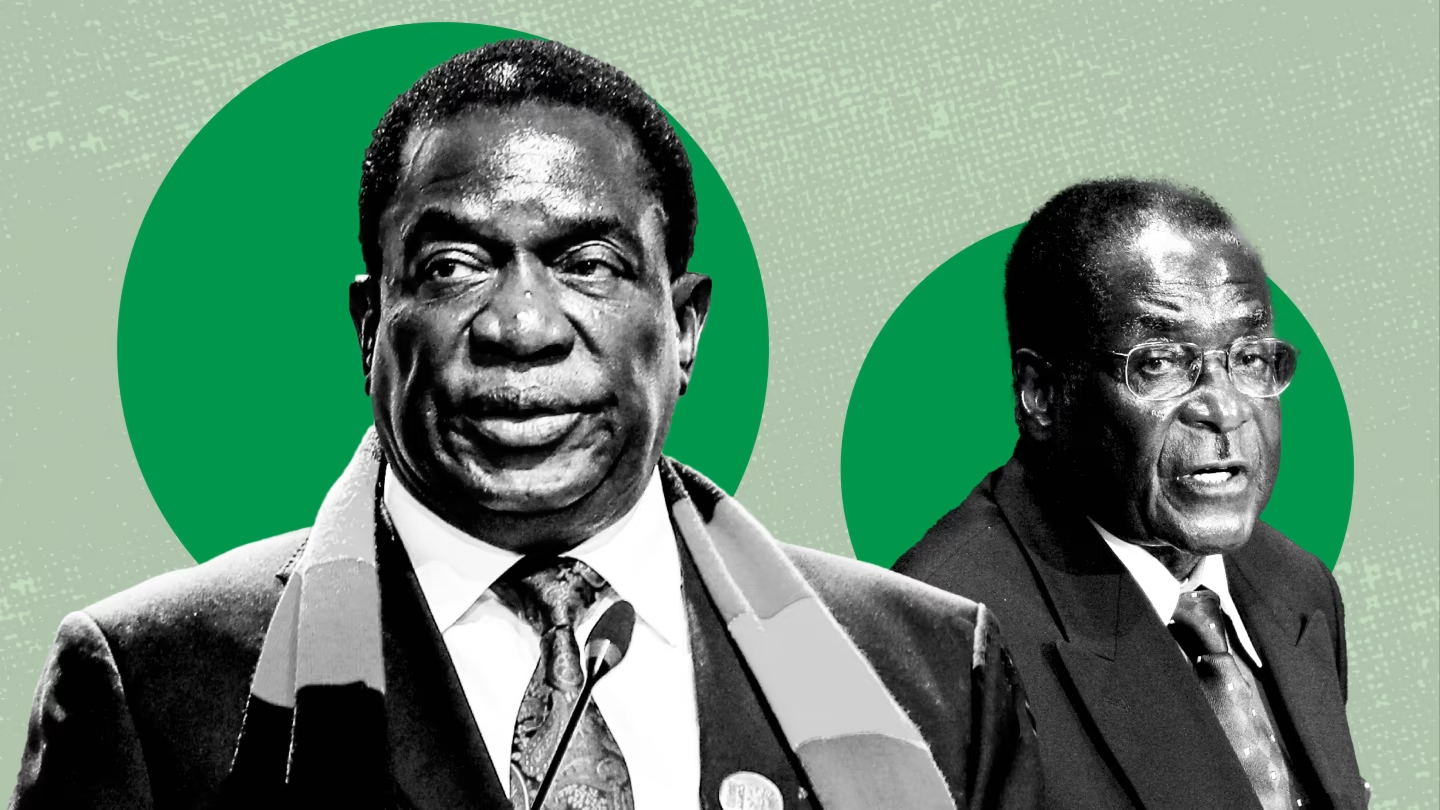
Originally posted by the Financial Times: https://www.ft.com/content/6db84250-391b-48e4-a7f3-8a1ee3e42985
|
-
Philanthropy and the Law in Southern Africa
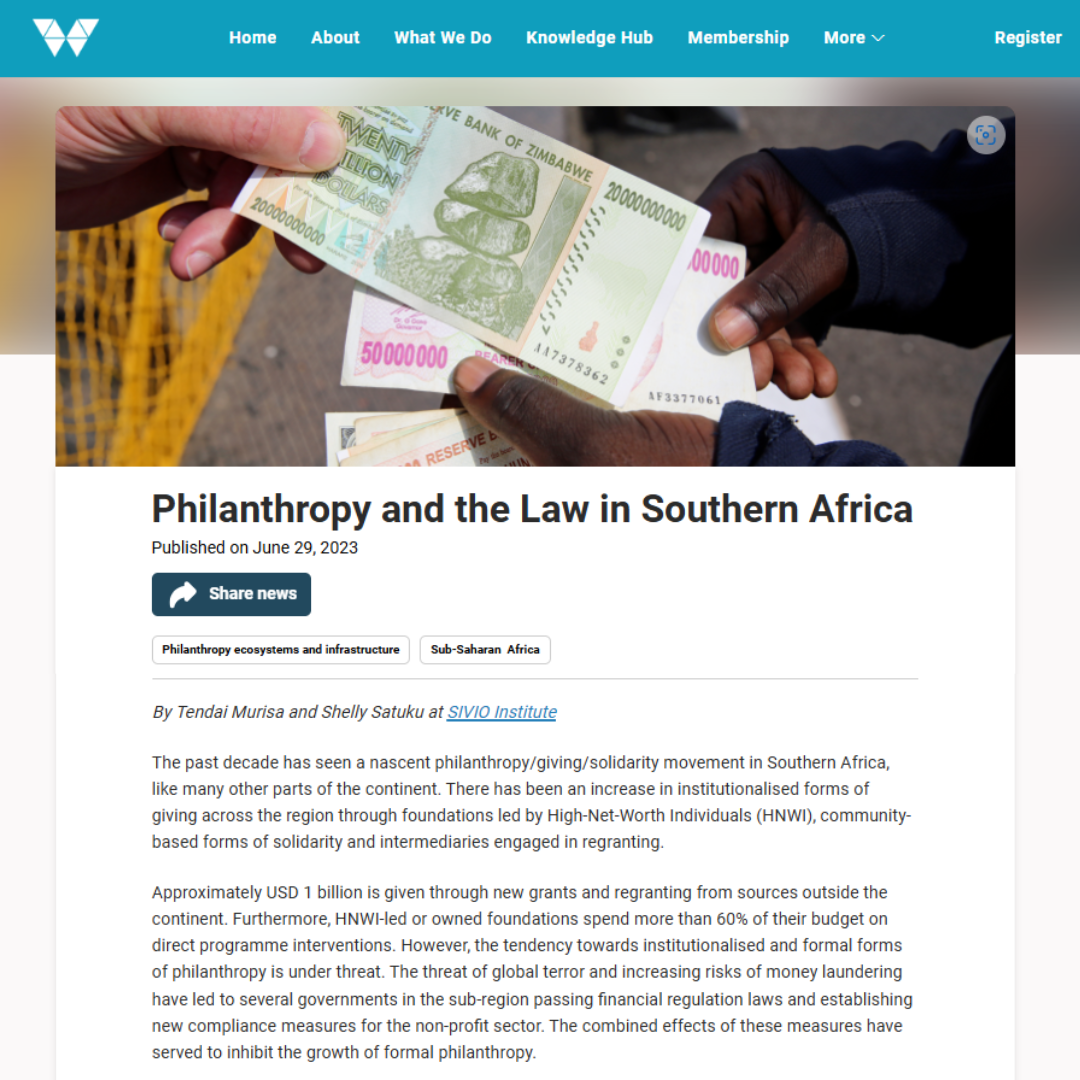
Originally posted on Wings: https://members.wingsweb.org/news/651286 By Tendai Murisa and Shelly Satuku at SIVIO Institute The past decade has seen a nascent philanthropy/giving/solidarity movement in Southern Africa, like many other parts of the continent. There has been an increase in institutionalised forms of giving across the region through foundations led by High-Net-Worth Individuals (HNWI), community-based forms of solidarity and intermediaries engaged in regranting. Approximately USD 1 billion is given through new grants and regranting from sources outside the continent. Furthermore, HNWI-led or owned foundations spend more than 60% of their budget on direct programme interventions. However, the tendency towards institutionalised and formal forms…
|
-
My Reflections on the Policy and Advocacy Lab
What comes into your mind when you hear the term advocacy? In my case, whenever I explain my work to people, they always ask if I am now a politician. I have come to realise that most people associate advocacy with politics. Then again, everything is political. Prior to joining SIVIO Institute, I envisioned advocacy as something to do with high profile individuals sharing petitions online, activists staging demonstrations outside government buildings and media sharing their stories. In retrospect, my thinking was influenced by the fact that these are the most visible actions at policy engagement. However, this is barely…
|
-
SAVE-OUR-SELVES: A Quick Note on Horizontal Philanthropy, Survival and Development
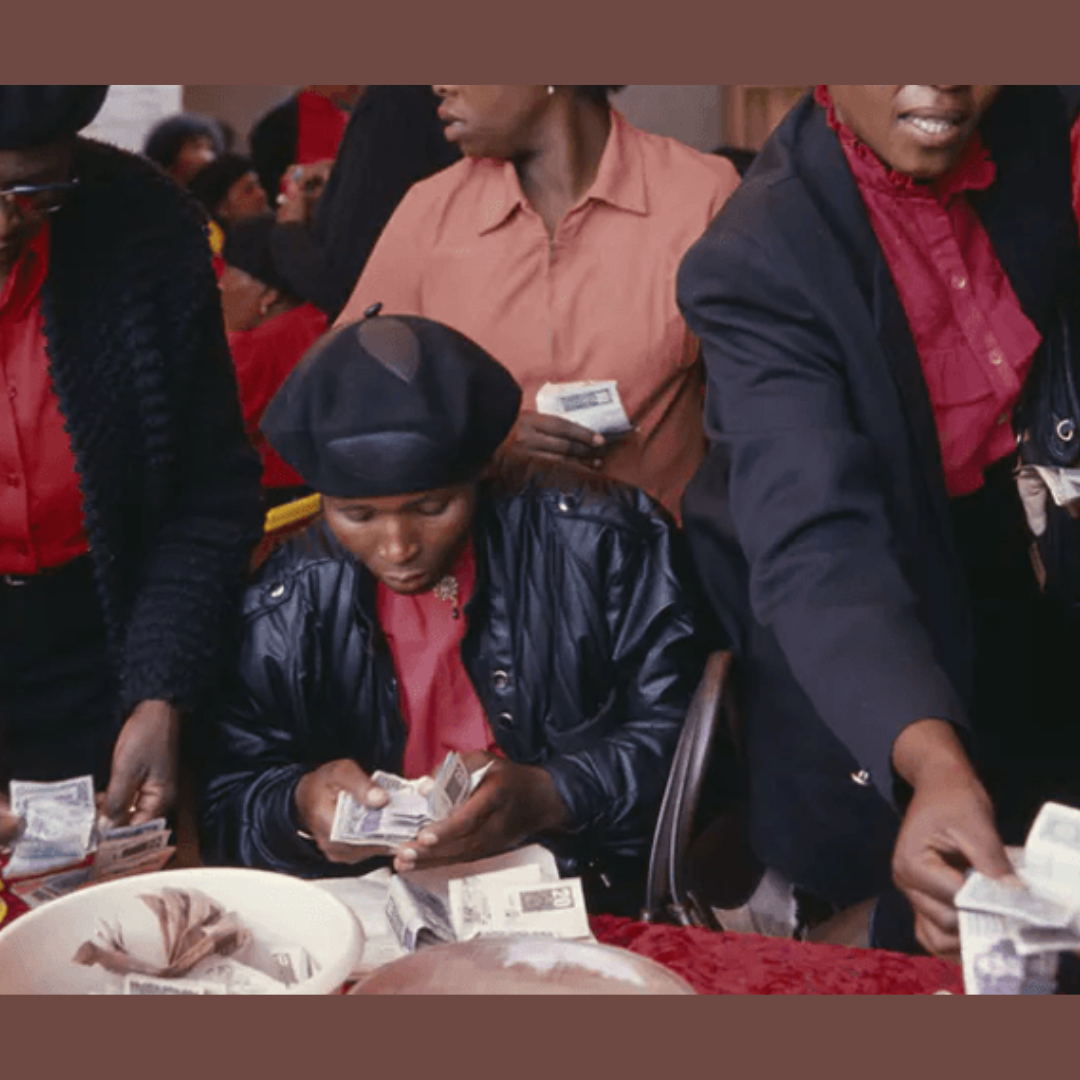
If you have found yourself reading this, I’d like to imagine that you already have a good enough understanding of what philanthropy is. So, I’ll delve into a brief explanation about the ‘horizontal’ part of it all- but of course, not without a little background.Philanthropy was not a new concept to me when I started doing some work at SIVIO Institute for their ‘Phil Lab‘ (Philanthropy Lab) mid-2019. My view on philanthropy was centred around the rich giving to the poor or underdeveloped communities waiting to receive grants from your Bill and Melinda Gates Foundations and then, using them to…
|
-
The Return of Hyper-inflation and Suggestions for Fixing the Problem

Knock Knock, Who is there? It’s me.. Who are you? C’mon have you already forgotten me. I was here ten years ago…? I wasn’t here ten years ago Oh I see…my name is hyper-inflation I used to hang out with that fella Gono. Hyper-inflation is back albeit in a slightly different from what we saw in 2008. Ten years ago our supermarkets emptied out. We were importing basic grocery items from our neighbors. There was literally no fuel in the country except for those that could import directly. In the editorial section of today’s (1/10/2018) Herald, the author(s) acknowledges that the…
|
-
ZIMAT 3: Tourism, Investment Model, Rural Development and Financial Services UPPs Cluster
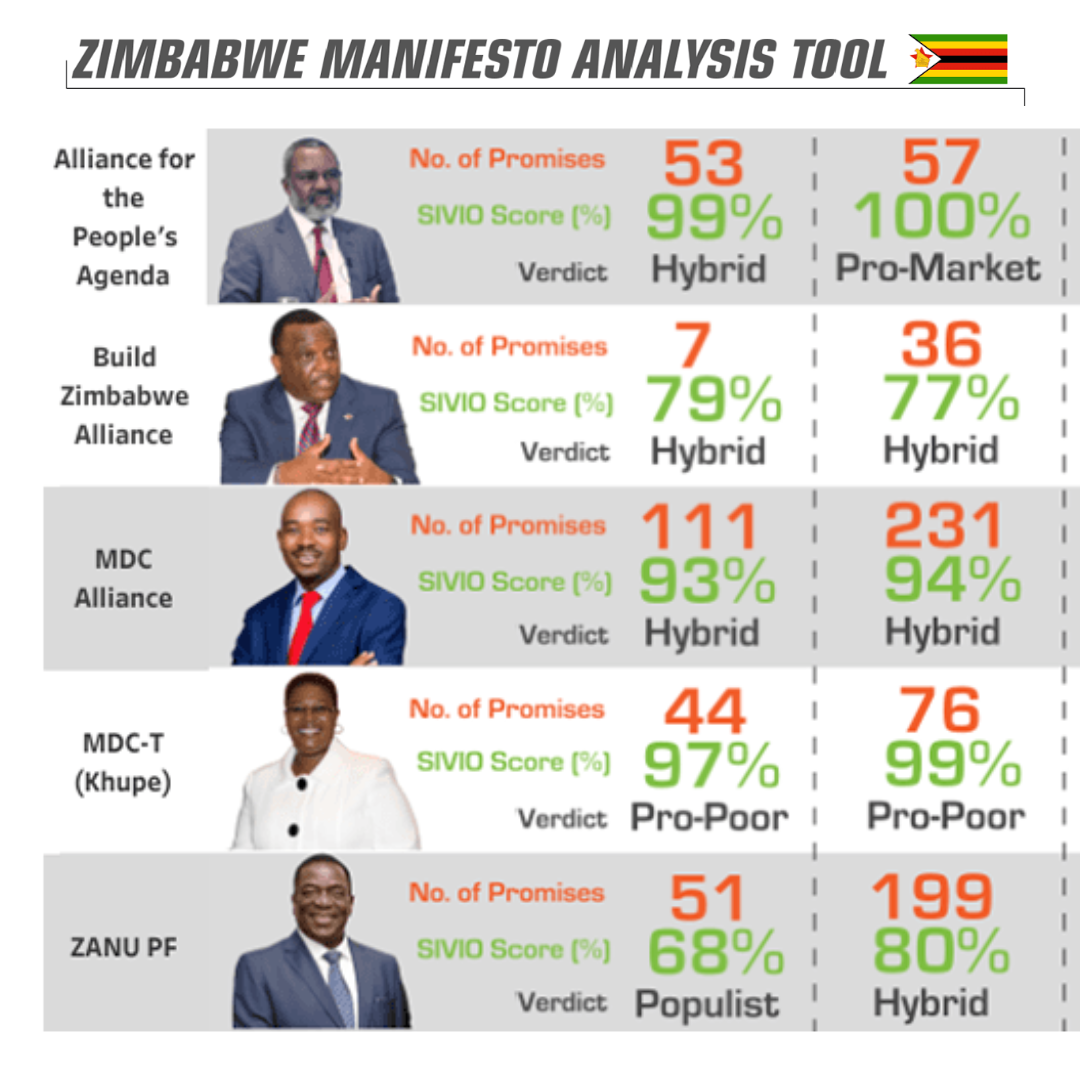
Introduction Analysis of the various parties’ manifestos provides some indication of similarities of areas of focus and pledges made by the parties to the electorate, but in all that space of potential opportunities for engaging voters are attempts at differentiating propositions that are unique to each party. The question is whether these unique proposition points (UPPs) speak to the needs of the electorate and whether they are reflective of the dynamics of the voters’ demographics and challenges which an incoming government would need to address. Thus, a more micro-review of the intended ‘unique blue ocean opportunities for differentiation outside the common ‘established…
|
-
ZIMAT 2: Mining, Land & Agrarian Reforms, Infrastructure and Economic Model UPPs Cluster
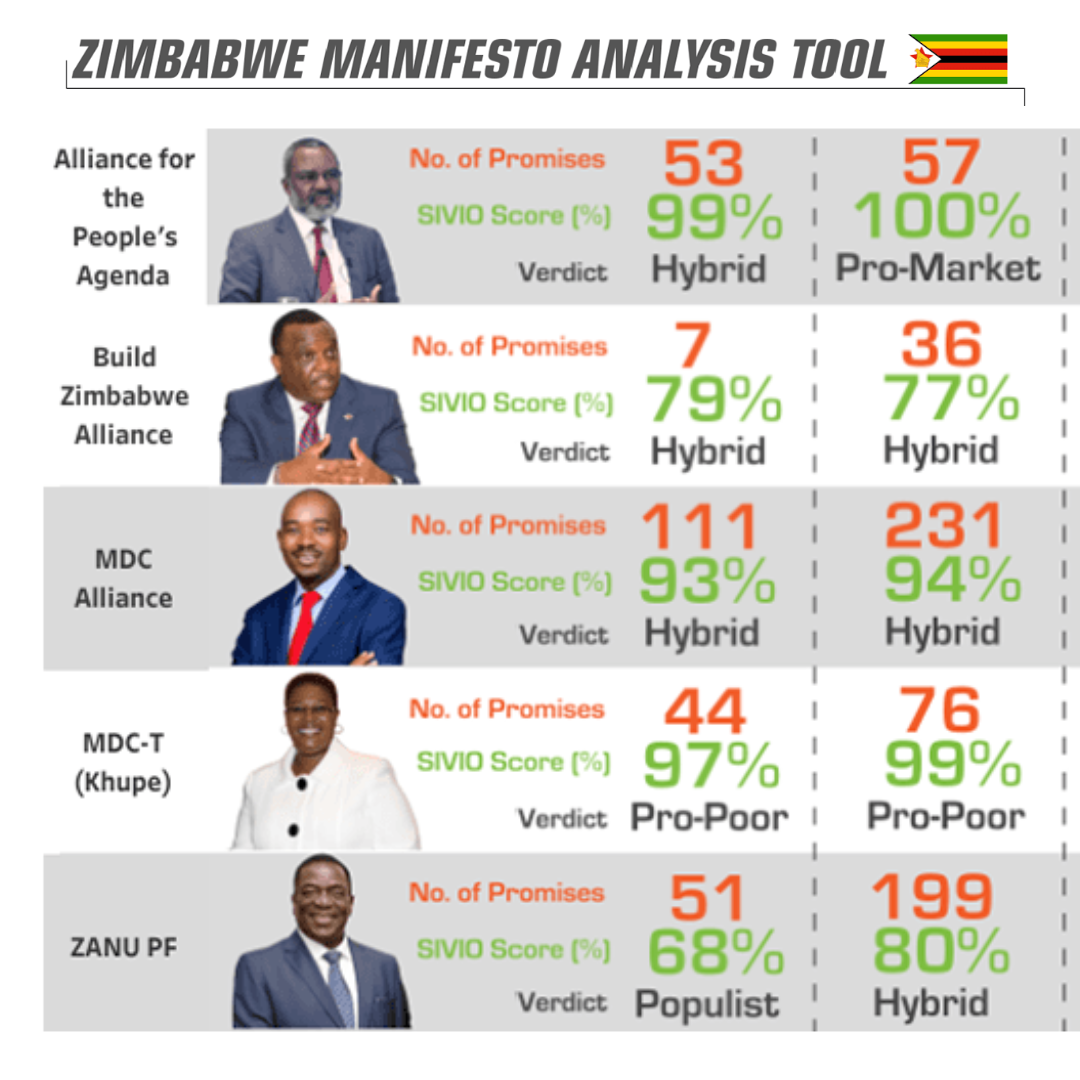
Introduction Analysis of the various parties’ manifestos provides some indication of similarities of areas of focus and pledges made by the parties to the electorate, but in all that space of potential opportunities for engaging voters are attempts at differentiating propositions that are unique to each party. The question is whether these unique proposition points (UPPs) speak to the needs of the electorate and whether they are reflective of the dynamics of the voters’ demographics and challenges which an incoming government would need to address. Thus, a more micro-review of the intended ‘unique blue ocean opportunities for differentiation outside the common ‘established…
|