-
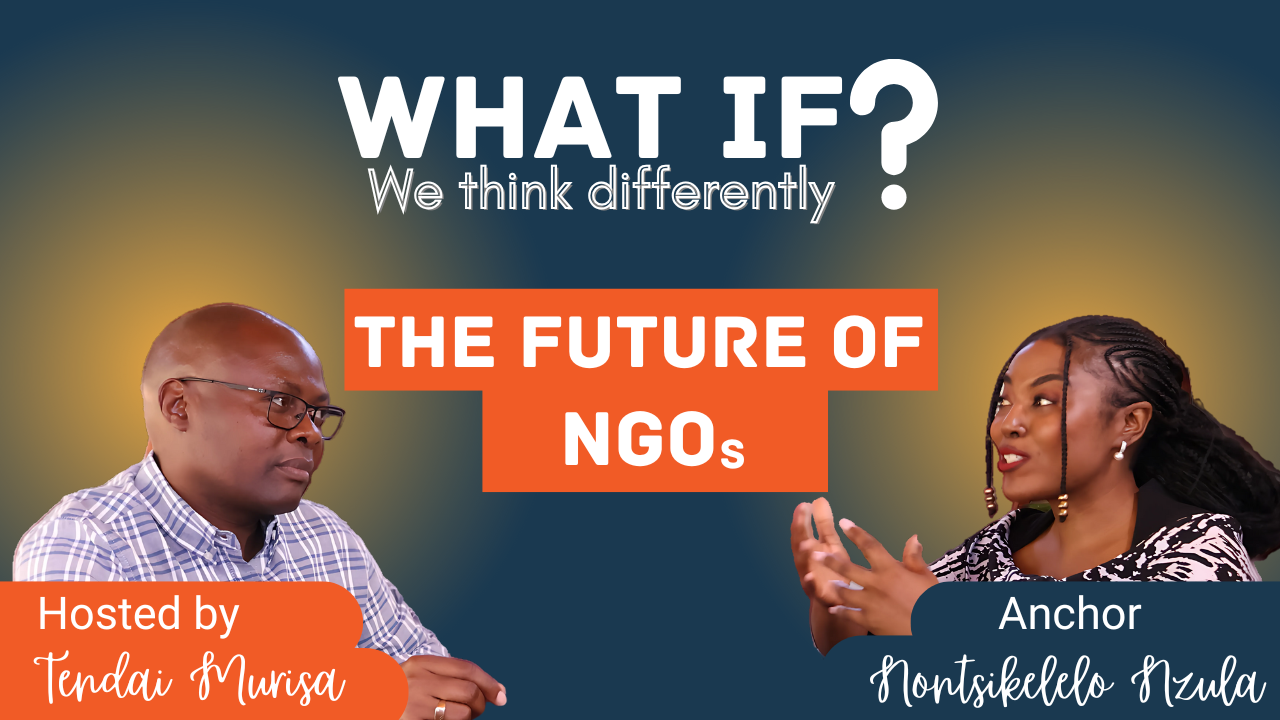
What If…We Think Differently? The Future of NGOs – Part 2
In this episode, we dive headfirst into the fast-changing world of NGOs and nonprofits! Discover how organisations are navigating a perfect storm of funding cuts, rising costs, and fierce competition for resources, all while demand for their services keeps climbing. We will unpack why today’s leaders need to think beyond traditional models, embracing entrepreneurial mindsets
-
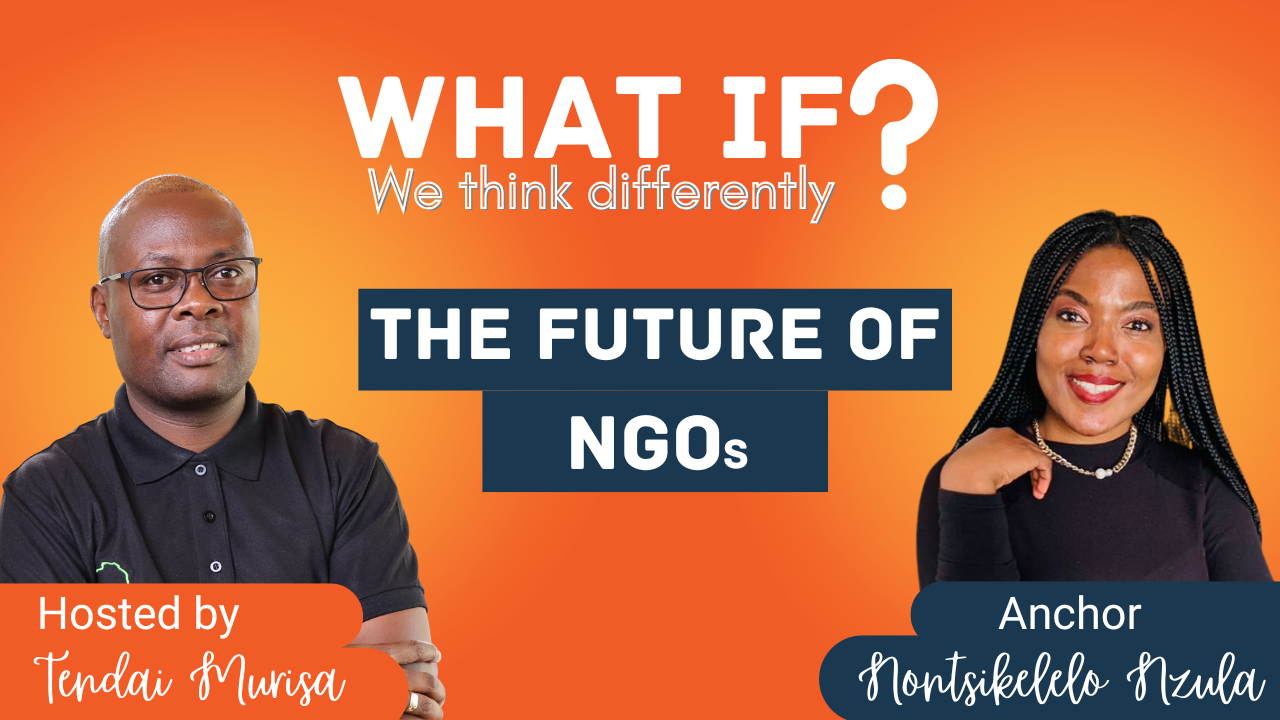
Podcast Series: The Future of NGOs – Part 1
We are back with a new season of the What If… We Think Differently? Podcast. This 4-part series will discuss the future of NGOs, especially concerning their long-term sustainability. In this episode, we discuss the dramatic shifts in NGO funding that unfolded in January 2025, focusing on the significant cuts to official development aid by
-
What If – African Philanthropy Series – Part 5
In this episode, we discuss the supposed ephemeral nature of community-based foundations practising philanthropy in African Philanthropy. In this conversation, Tendai and Nontsikelelo interrogate the lack of systems, structure, and sustainability of African organisations. Although agile and responsive, Tendai posits that such African philanthropy organisations have not set themselves up for permanence because in their
-
What If – African Philanthropy Series – Part 4
In this episode, we discuss the future of African Philanthropy as well as its vast potential to contribute towards the development of the continent. The conversation highlights emerging opportunities for giving from a growing African middle class, an engaged and connected youthful population and the growing impact of African multinational corporations with larger capacities to
-
What If – African Philanthropy Series – Part 3
In this episode, Murisa and Nontsikelelo Nzula examine the cultural factors influencing philanthropic practices in Africa, contrasting community-driven initiatives with global giving. They discuss the roles of High-Net-Worth Individuals and corporate philanthropy in the African context, emphasizing the necessity for African philanthropy to transcend external frameworks. The discussion advocates for developing a strong ecosystem comprising
-
What If – African Philanthropy Series – Part 2
In this episode, we undertake a comprehensive exploration of the multifaceted nature of African philanthropy. Our discussion delves into its historical roots and traces the evolution of philanthropic practices through various eras. We examine the impact of urbanization, noting how it can dilute the communal bonds that traditionally underpin philanthropy. Additionally, we consider the role
-
What If – African Philanthropy Series – Part 1
This episode of What If We Think Differently _ African Philanthropy is the first in a series of conversations around philanthropy and what it looks like in Africa. The conversation starts with a definition of philanthropy with a spotlight on Ubuntu- the African concept of “I am because you are”. In this episode, we demonstrate
-
Conversations on African Philanthropy – Agrarian Community and Civil Society in Zimbabwe
Tendai Murisa is the Founder and Executive Director of the SIVIO Institute. He is a development practitioner, researcher, and advocate for pro-poor development across Africa. In this conversation with Prof Moyo, Tendai reflects on the lessons and growth gained over the last few years, touching on points such as Listen to the podcast:
-
UbuntuGiving Podcast: Cross-Cultural Comparisons – Inurere Series
Cross-Cultural Comparisons: How African Practices Compare and Connect with Global Giving Traditions. About This Episode: In this insightful episode, Bidemi and Tendai explore how African giving traditions compare and connect with global philanthropic practices. They discuss the profound impact these traditions have on communities and how they can be integrated into modern philanthropic frameworks. Tendai
-
What If: Land And Agrarian Reform
In this episode, Tendai Murisa and Nontsikelelo Nzula discuss land and agrarian reform. We look at how land reform has affected agricultural practices in Zimbabwe almost 25 years since the fast-track land reform occurred. Was it necessary and why? How should we move on from here?