-

What If Re-broadcasts on HSTV
What If Re-broadcasts on HSTV We are excited to share that our What if Series is being rebroadcast on the much-loved Heart and Soul TV (HSTV). The episodes are being rebroadcast every Tuesday at 2pm. The What if series is a collection of development focused conversations that seek to reimagine being and life conditions of
-
The Big Bet for 2025: Revitalizing Accountability in African Democracies
Big Bet 2025: Revitalizing Accountability in African Democracies As we step into 2025, there is a palpable sense of anticipation for a brighter future across various facets of our lives, including the state of our democracies. The past year has been a mixed bag for African nations, with several countries undergoing elections that yielded new
-
AJIS Volume 4 – Africa’s Quest for Inclusion: Trends and Patterns
African Journal of Inclusive Societies Launches Fourth Volume: “Africa’s Quest for Inclusion: Trends and Patterns” The African Journal of Inclusive Societies (AJIS) is proud to announce the release of its fourth volume, titled “Africa’s Quest for Inclusion: Trends and Patterns.” This latest edition delves into the multifaceted efforts and ongoing challenges faced by African nations
-
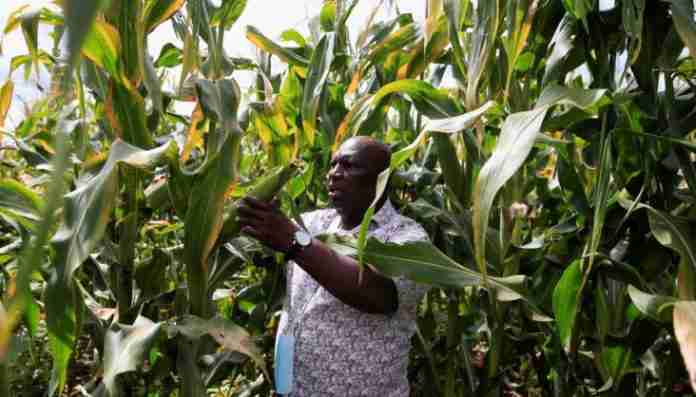
OPINION | Zimbabwe’s bold new land tenure plan: Here are the many challenges and opportunities that lie ahead
Originally posted on newZWire: https://newzwire.live/opinion-zimbabwes-bold-new-land-tenure-plan-here-are-the-many-challenges-and-opportunities-that-lie-ahead/ By Tendai Murisa The Government of Zimbabwe announced a major shift on land tenure in farms acquired under the fast-track land reform programme. According to the announcement, the government intends to issue a bankable form of title to land where the landowners can borrow against the land and sell the land
-
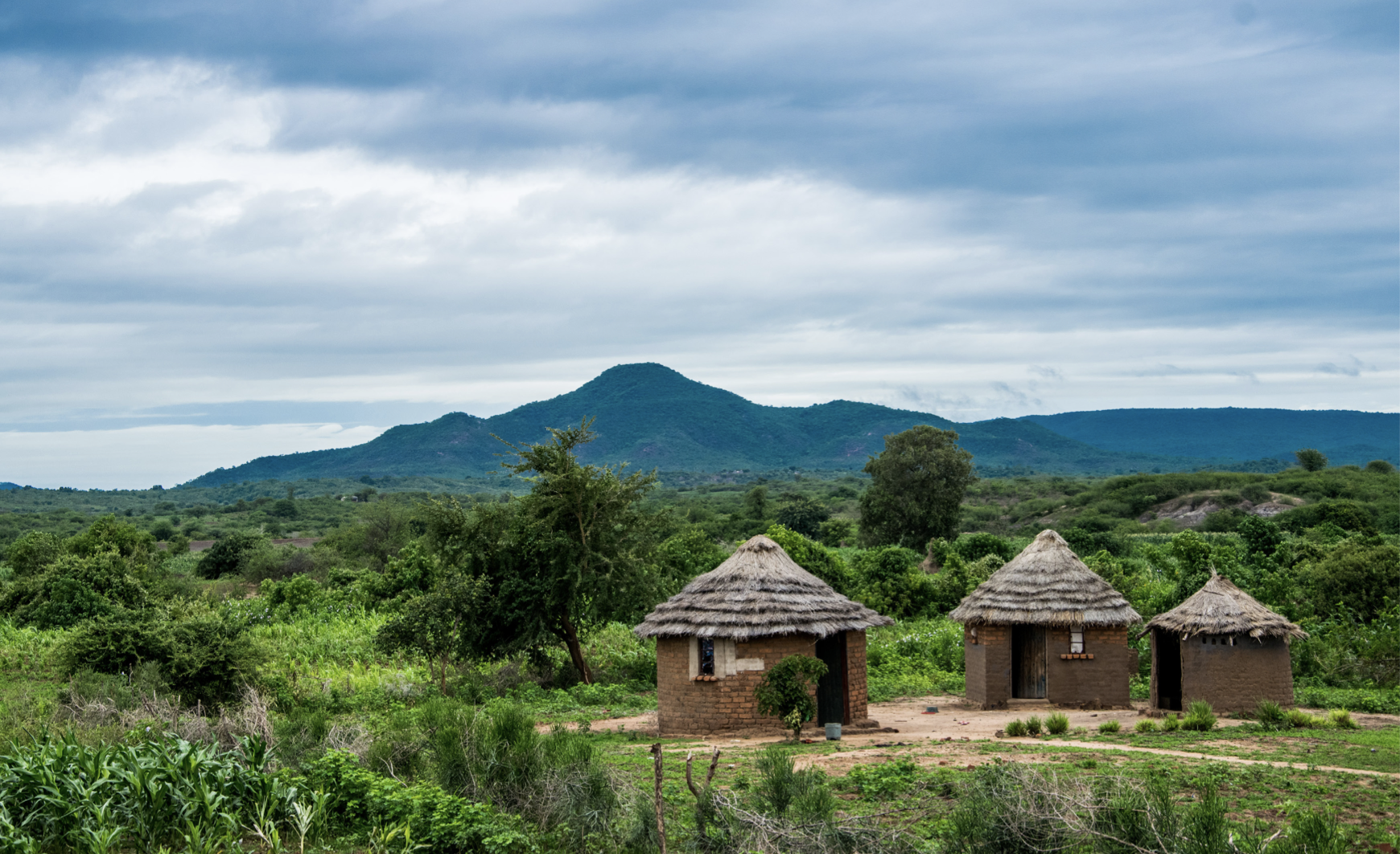
Latest Developments on Land Tenure Reforms in Zimbabwe
Latest Developments on Land Tenure Reforms in Zimbabwe Tendai Murisa, 9 October, 2024 Yesterday (8 October 2024), the Government of Zimbabwe (GoZ) announced a major shift on land tenure in fast-track farms. According to the announcement, GoZ intends to issue a bankable form of title to land where the owners of the land can borrow
-

From Promise to Despair: The Individual Impact of the Collapse of Healthcare Systems in Zimbabwe
The collapse of Zimbabwe’s healthcare system has left a trail of devastation in its wake. Once a beacon of hope and a model for other African countries, the healthcare system has deteriorated alarmingly. Hospitals lack basic medical supplies, equipment, and staff, leaving patients to suffer and die from treatable conditions. The personal toll of this
-
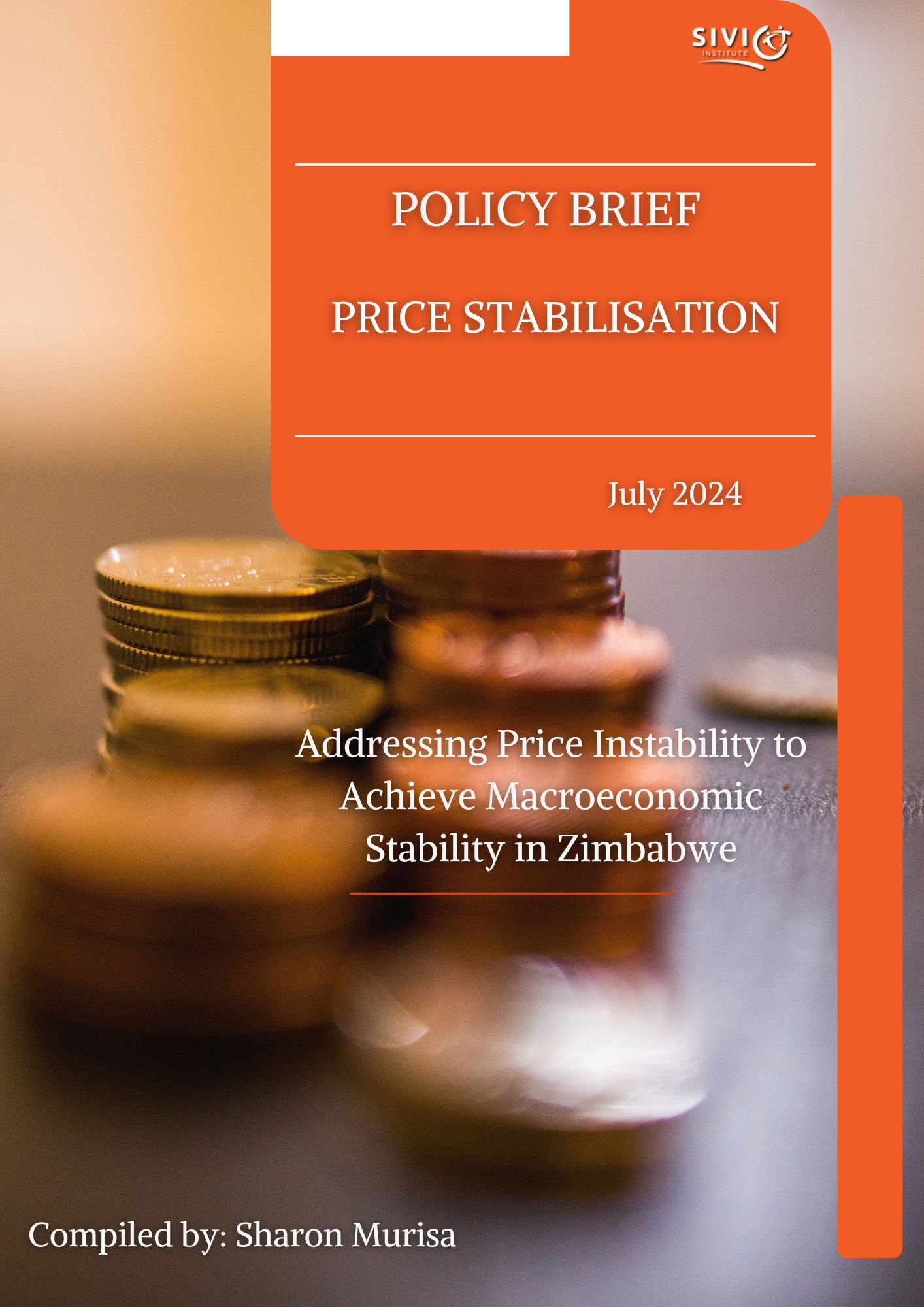
Corruption, Price Instability And Unemployment- A Collection of Policy Brief Publications From The Policy Advocacy Lab
SIVIO Institute began the Policy Advocacy Labs (PAL) experiment in 2020. This a collective learning process that takes ordinary citizens through several steps to identify an issue or problems and craft potential policy solutions for that problem. We did this to broaden the level of participation of Zimbabweans in the policy-making process. Our desired outcome
-

Corruption Amplifies Social Pathology in Zimbabwe: A Call to Action
Since August 2023, we have been experimenting with the idea of advocacy labs. The big idea was to ensure that we broaden ordinary citizens’ participation in advocacy by training them on a how to run an advoccay campaign. The labs are centred around what citizens had seen as the top priority for the Zimbabwe government
-
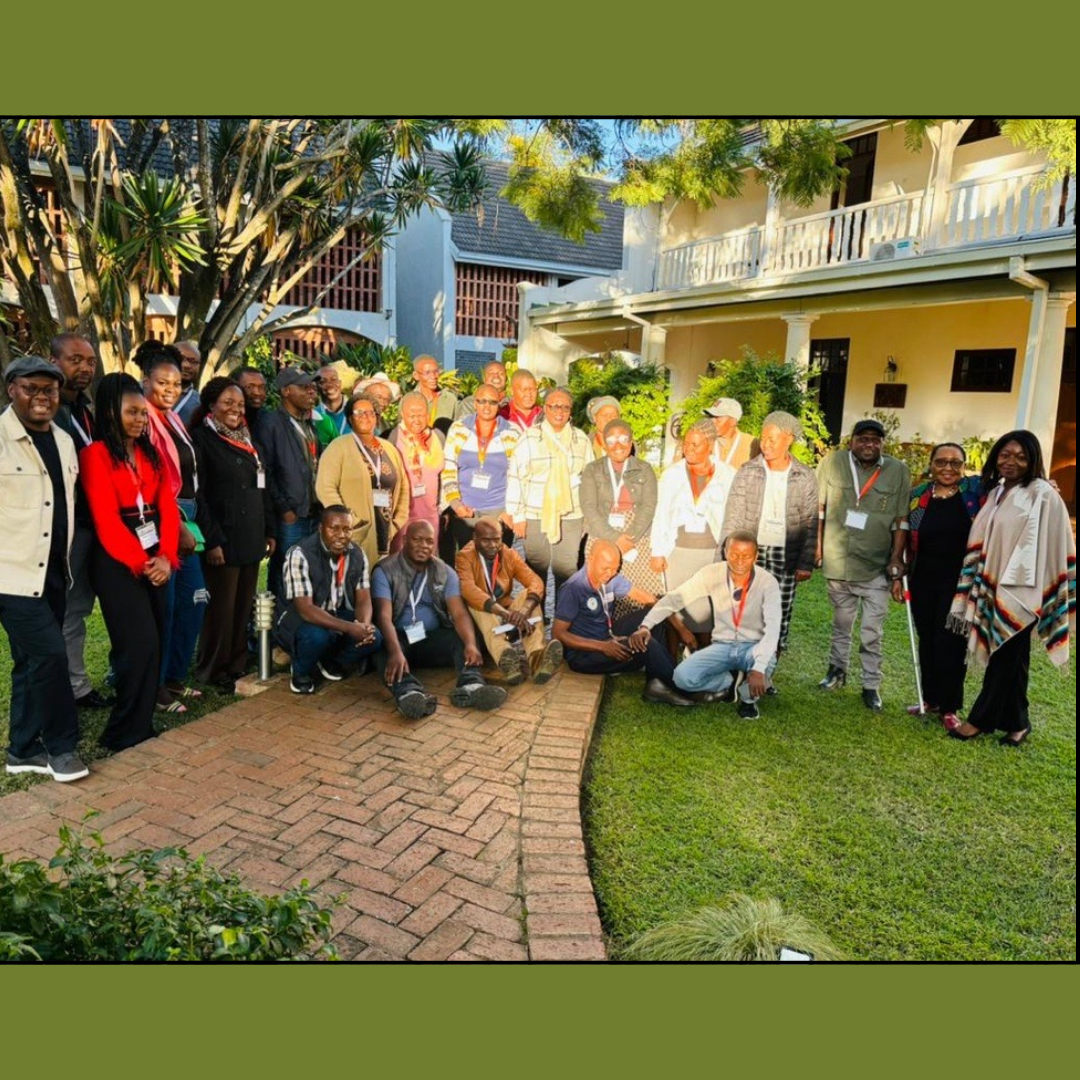
The First Ever Community Foundations of Zimbabwe Convening: Our pledged support for community philanthropy.
The Big Bet on Engaged Communities At the beginning of this year, we coined our activities around “The Big Bet” where we went back to the drawing board and reactivated our sense of community participation in development and democratic processes. The Big Bet casts the spotlight on communities and what they do for each other
-
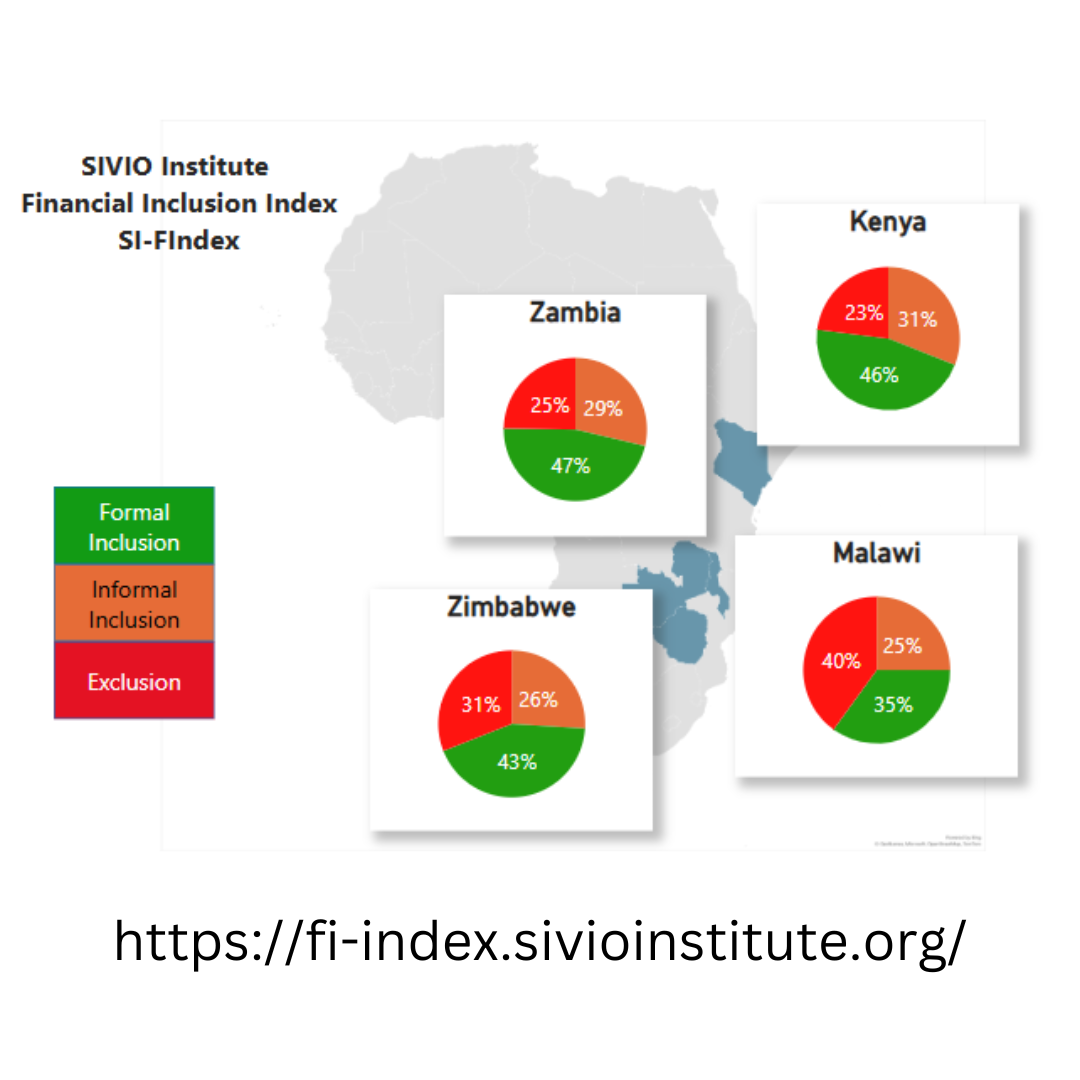
Compliance is still a key factor for determining the financial inclusion of MSMEs.
But when we consider the high rate of informality in Africa, does this mean we should re-think our objectives for financial inclusion, or should we change our focus when it comes to making informal MSMEs compliant? How far have we come with financial inclusion? In the last few years, financial inclusion has become an important