
NEWSLETTER
Issue 1 | Jan-Mar 2026
What Have We Been Up To?
Our First Quarter in Review
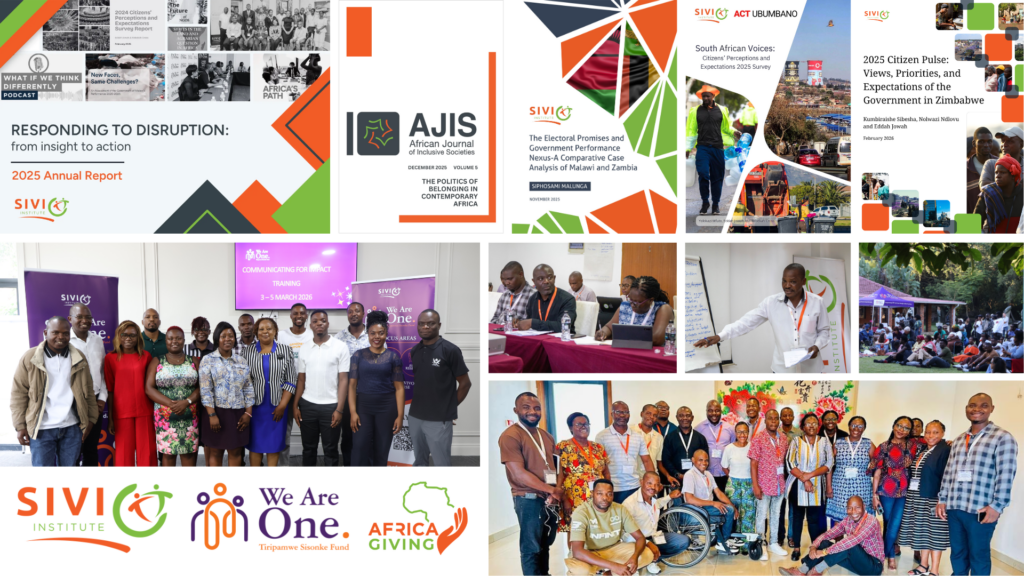
As tradition would have it, this quarter also marked the release of our 2025 Annual Report. Each year, we reflect on our progress and lessons, taking you through the heart of our work across programmes, partnerships, and platforms. The 2025 edition offers an enriched narrative of impact, highlighting how we continue to strengthen active citizenship, drive policy innovation, and foster inclusive development. Access the full report here.
Our 2026 Big Bet: Rediscovering the Middle Ground
Critical to setting the tone for 2026, we released our Big Bet for the year, a tradition that captures the pulse of our institutional imagination and conviction. Over the years, our Big Bets have evolved: from spotlighting communities as the architects of democracy (2024) to recognising citizens as the most potent mechanisms of accountability (2025). This year, our focus is to rediscover the middle, a courageous space where dialogue triumphs over division. We believe the middle ground stands as a site of bridge-building, empathy, and renewed civic courage.
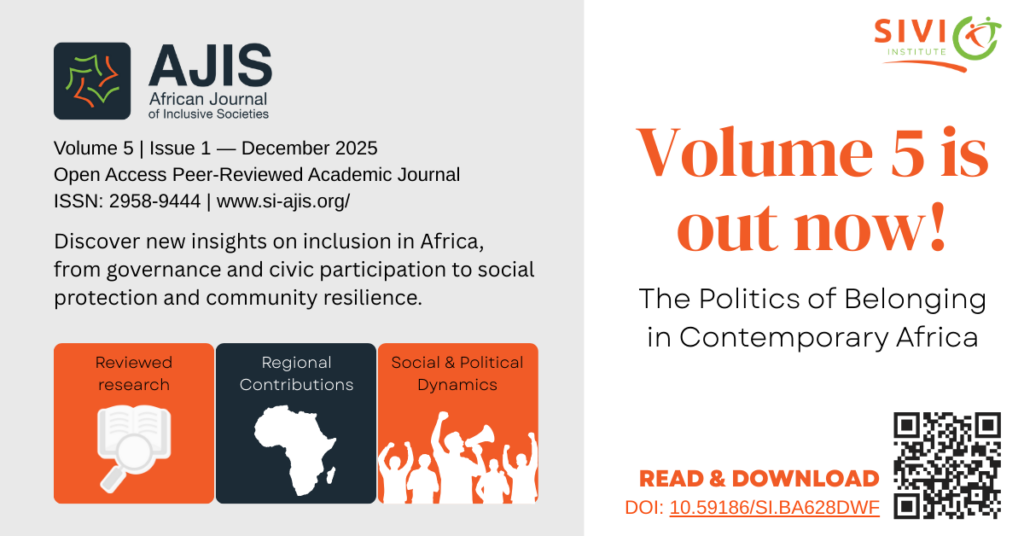
Amplifying African Scholarship: The Fifth Edition of AJIS
We released the fifth volume of our African Journal of Inclusive Societies (AJIS). Since 2021, AJIS has served as an open-access space for African scholars to explore the complex themes of collective action, civil rights, democracy, and philanthropy. This year’s edition dives into the “politics of belonging” in contemporary Africa, shifting the debate from inclusion as a policy intention to inclusion as a lived practice. With nine (9) scholarly articles from across Southern and Eastern Africa, it interrogates how inclusion and exclusion are actively produced and contested.
CENTRE FOR PHILANTHROPY AND COMMUNITIES
Shaping the Future of African Philanthropy
We co-hosted a dialogue unveiling the Global Philanthropy Environment Index (GPEI) for Sub-Saharan Africa in partnership with Centre on African Philanthropy and Social Investment (CAPSI) and the Indiana University Lilly Family School of Philanthropy. The dialogue helped to unpack key challenges, researcher ground truths, practitioner wisdom on legal/operational realities, and impact opportunities.
In February, we convened networks of Community Foundations from Malawi and Zimbabwe for a learning exchange in Lilongwe. The gathering signified more than collaboration; it was a celebration of shared learning, trust, and the potential of community-led giving. For the first time, leaders from both countries met in person to exchange experiences on amplifying local giving, fostering accountability, and envisioning a resilient future where philanthropy is shaped by communities themselves.
Before signing off in 2025, we found ourselves in a moment of reflection. In the final edition of our AfricaGiving Newsletter: Ukarimu: Stories of Generosity Across Africa. We stepped back to distil the key lessons from a year of navigating what felt like a perfect storm, widespread donor cuts, shifting priorities, and the urgent need to reimagine how we resource change on the continent. Now, as we kick off 2026, we carry those lessons forward, not just as insights, but as the foundation for our work.
For those encountering AfricaGiving for the first time, it is our platform designed to raise the visibility of African non-profits leading change and link them with potential givers across the continent and beyond. It’s an idea whose time has come, born from the belief in the power of African agency to shape its own development story. Explore the full Ukarimu edition on Substack for these insights and our Udemy course on individual giving, or read more about the NGO of the Future.
CENTRE FOR CIVIC ENGAGEMENT
Expanding Our Research Footprint: Citizens’ Perceptions and Expectations.
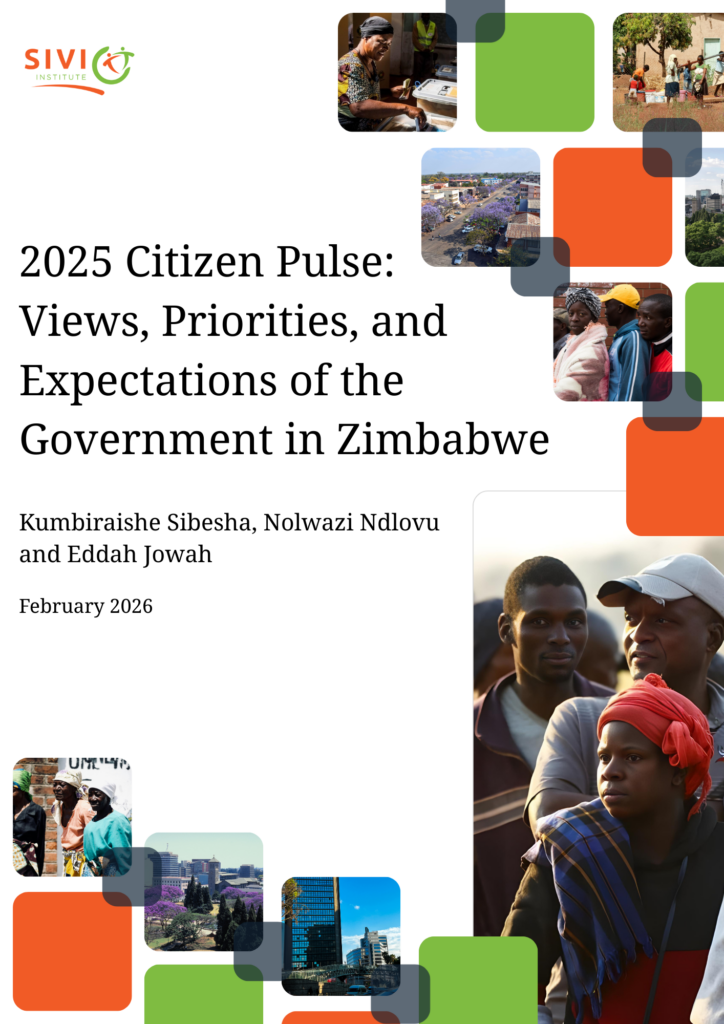
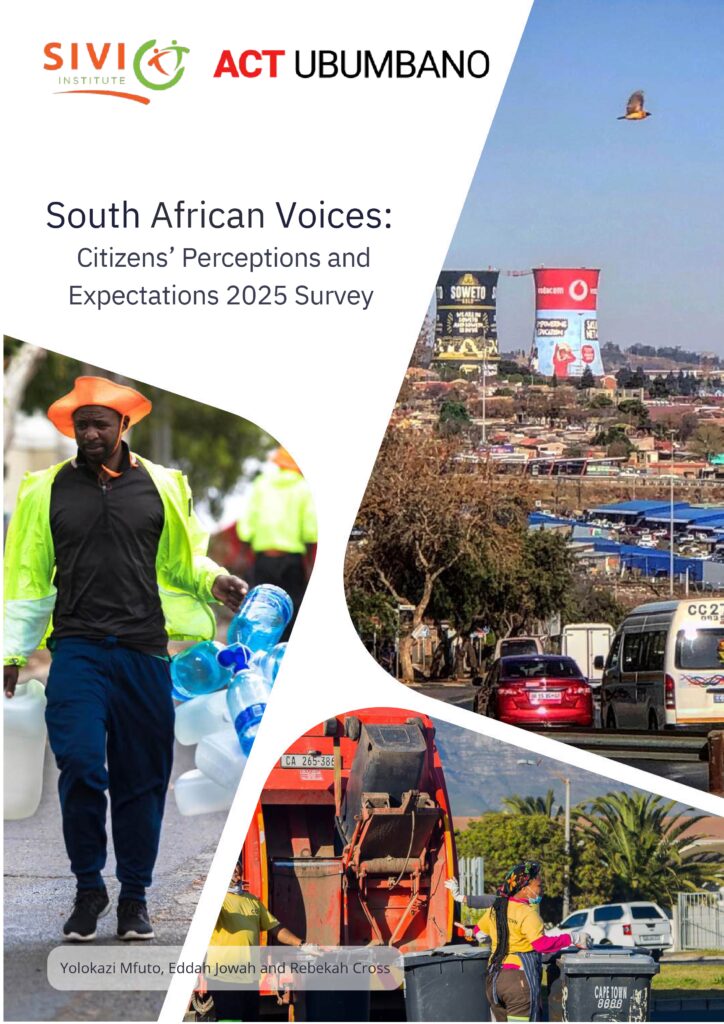
A critical component of finding the middle is to centre the voices of citizens in discussions about governance and national priorities. This year, we were able to publish two survey reports capturing Citizens Perceptions and Expectations (CPE) in South Africa and Zimbabwe. The South Africa survey was conducted at a pivotal time, after the formation of South Africa’s Government of National Unity. The report provides an empirical baseline of public sentiment, offering key insights into how citizens perceive governance, service delivery, and the nation’s trajectory. Explore the report here.
The Zimbabwe report builds on a series of assessments dating back to 2018, and the latest findings continue to highlight citizens’ deep concerns about their livelihoods. Across the board, respondents prioritise decent employment, quality healthcare, tackling corruption, and stabilising prices as the most urgent responsibilities for central government. Explore the report here.
African Citizens Watch
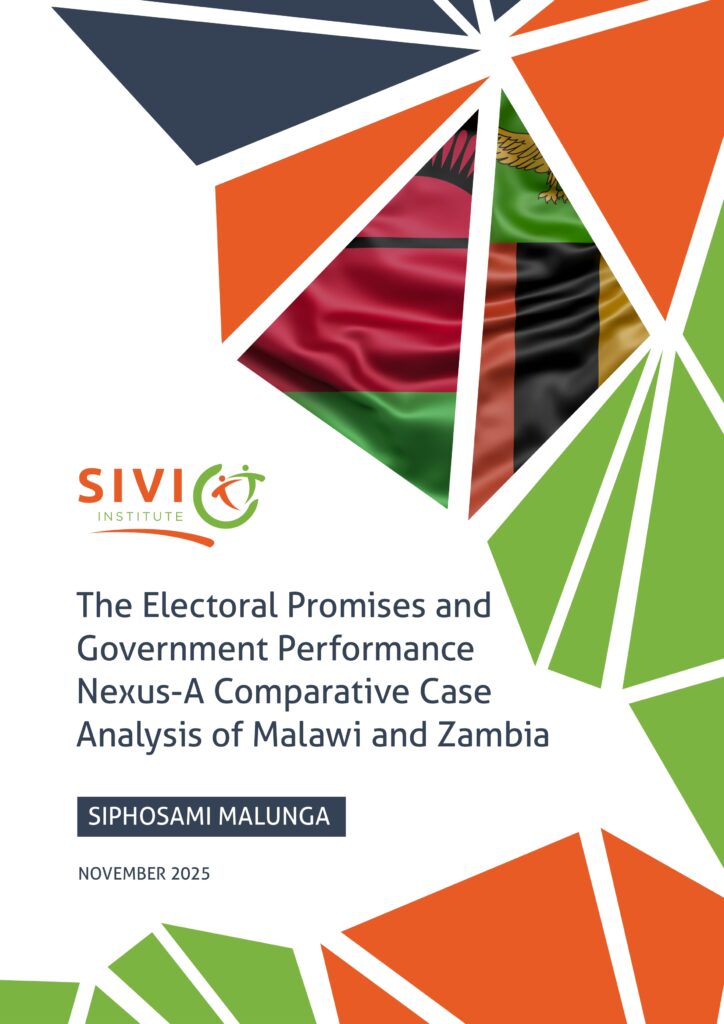
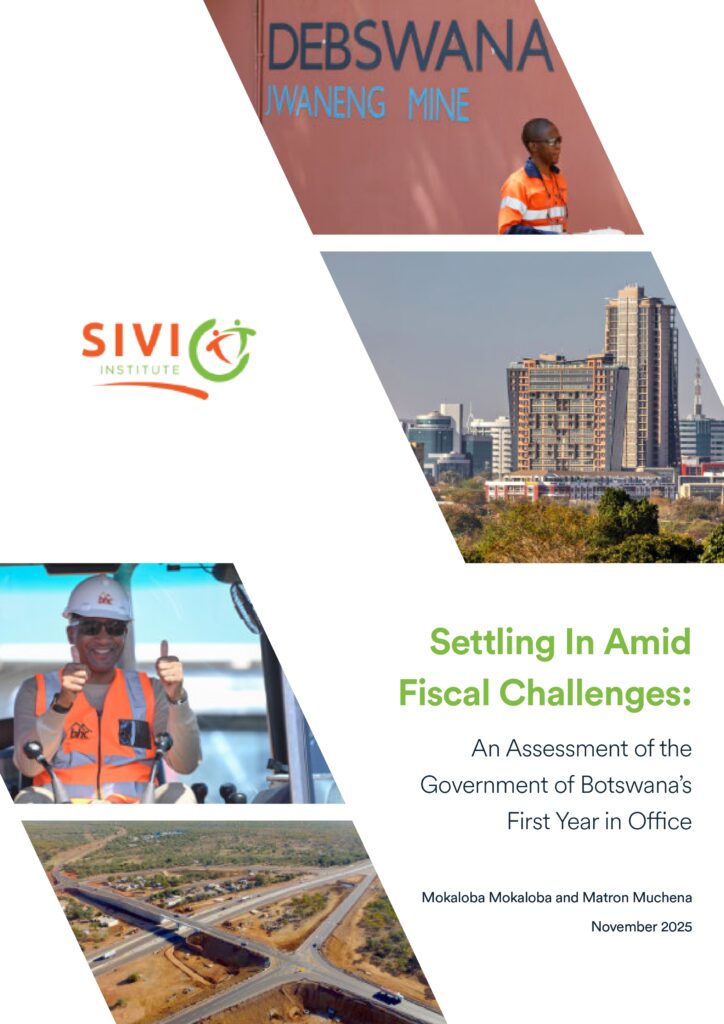
This quarter marked significant progress across our regional accountability work. We released an assessment report for the Government of Botswana, offering a detailed review of the Umbrella for Democratic Change (UDC) administration’s performance since December 2024 and highlighting emerging trends in governance delivery. We published a comparative analysis of Zambia and Malawi, examining how the two administrations have approached economic reform, social protection, and institutional strengthening, and what their trajectories reveal about leadership styles across the region.
Following the re-election of President Peter Mutharika back into office in 2025, we have updated the Malawi Citizens Watch Tracker to track 463 promises made by the Democratic Progressive Party (DPP) ahead of its October 2025 electoral victory. The platform will provide a real-time tracker for citizens for the next five-year term of progress that the Government of Malawi will make in fulfilling these promises. Together, these outputs deepen our evidence base and strengthen the tools citizens can use to demand accountable governance.