
OPINION
From Reluctance to Response
The Slow Rise of Local Giving for GBV Survivors
By Emeldah Takaona
Across Zimbabwe and parts of Southern Africa, a subtle but important shift is underway. In societies where formal giving to non-governmental organisations (NGOs) has historically been limited, often shaped by distrust, economic constraints, and a preference for informal or kinship-based support systems, there is emerging evidence of a gradual reorientation. Corporates and individuals are beginning, albeit cautiously, to participate in social development through structured giving, particularly in response to pressing social issues such as gender-based violence (GBV).
This shift is neither accidental nor uniform. It is shaped by a convergence of local experience, institutional innovation, and a growing recognition that community-level crises require collective responses that extend beyond the state.
Understanding the Context: A Culture of Giving, but Not Always to Institutions
Research on philanthropy in Africa consistently highlights a paradox: giving is not absent; it is simply differently configured. Within societal structures, individual donors, religious organisations, and informal networks play a pivotal role in mobilising resources to address critical social needs, often outside formal NGO channels. As Tendai Murisa’s notion of “ephemeral philanthropy” illustrates, communities continuously mobilise resources in response to lived realities—often spontaneously, relationally, and outside institutional frameworks, yet remaining central to social resilience and survival (Murisa, 2023). However, this model presents limitations when addressing complex, systemic issues such as GBV. Unlike episodic needs, GBV requires sustained funding for survivor support services, legal assistance, psychosocial care, and long-term reintegration – areas where informal giving mechanisms often fall short.
It is within this gap that we are beginning to witness a new pattern of giving emerge through our collective giving initiative – We Are One Fund.
We Are One Fund:
The Role of Convenings and Social Fundraising
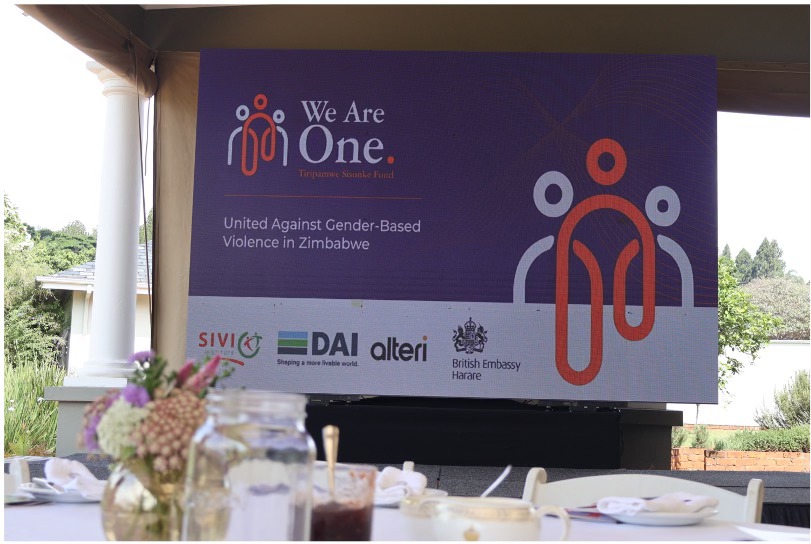
The We Are One Fund, an initiative of SIVIO Institute, is a collaborative funding platform designed to support 15 organisations working with survivors of gender-based violence in Zimbabwe. These organisations provide essential services such as safe shelter, psychosocial support, legal assistance, and emergency care, often with limited and unpredictable resources.
The Fund brings together contributions from individuals, corporates, and partners, pooling them to ensure more consistent and impactful support reaches those on the ground. Beyond funding, it also promotes awareness, collaboration, and shared responsibility in addressing GBV. Ultimately, the We Are One Fund represents a more coordinated approach—moving fragmented efforts to a unified response that strengthens services and contributes to safer, more resilient communities.
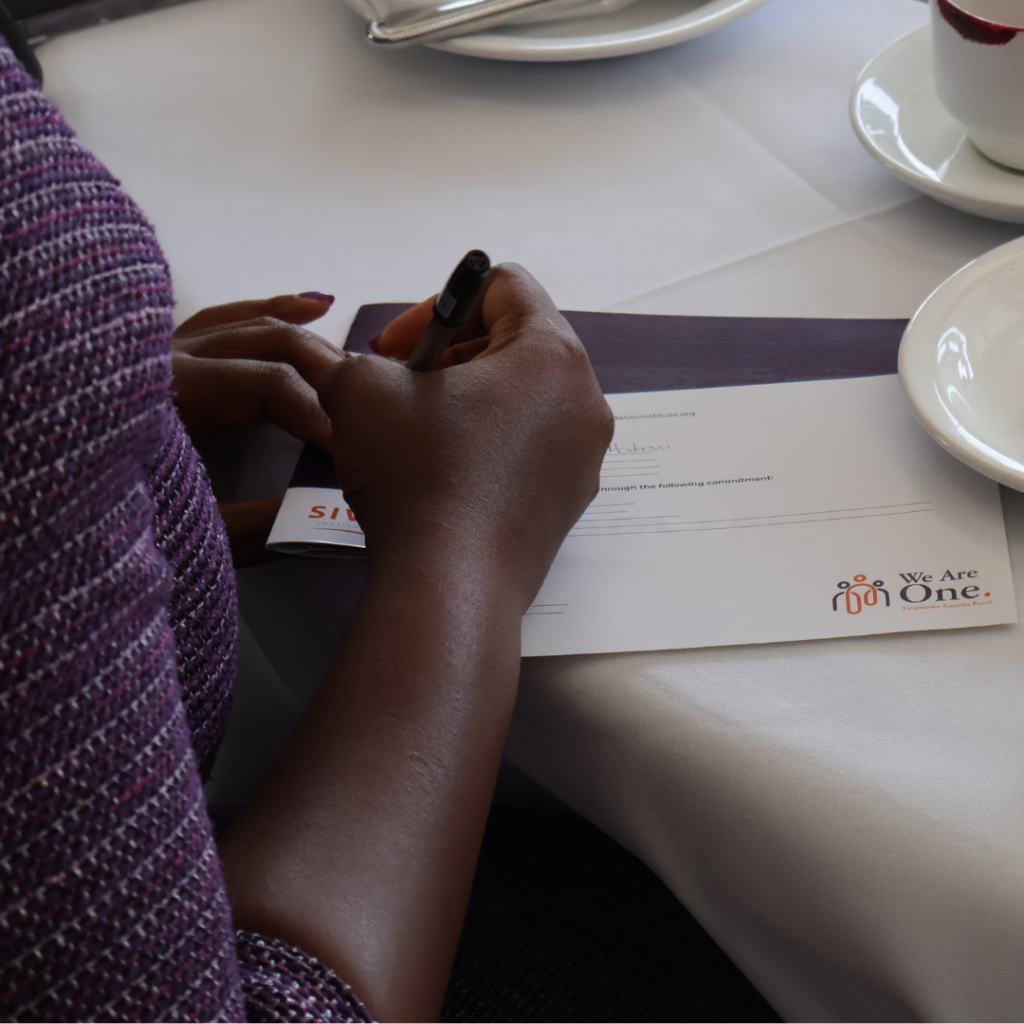
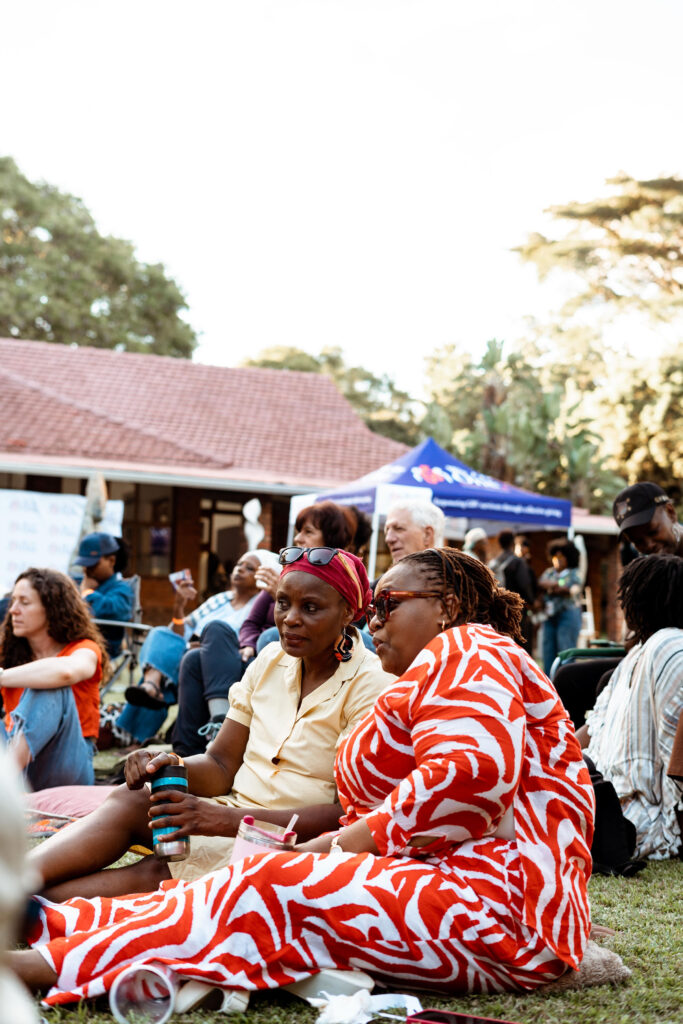
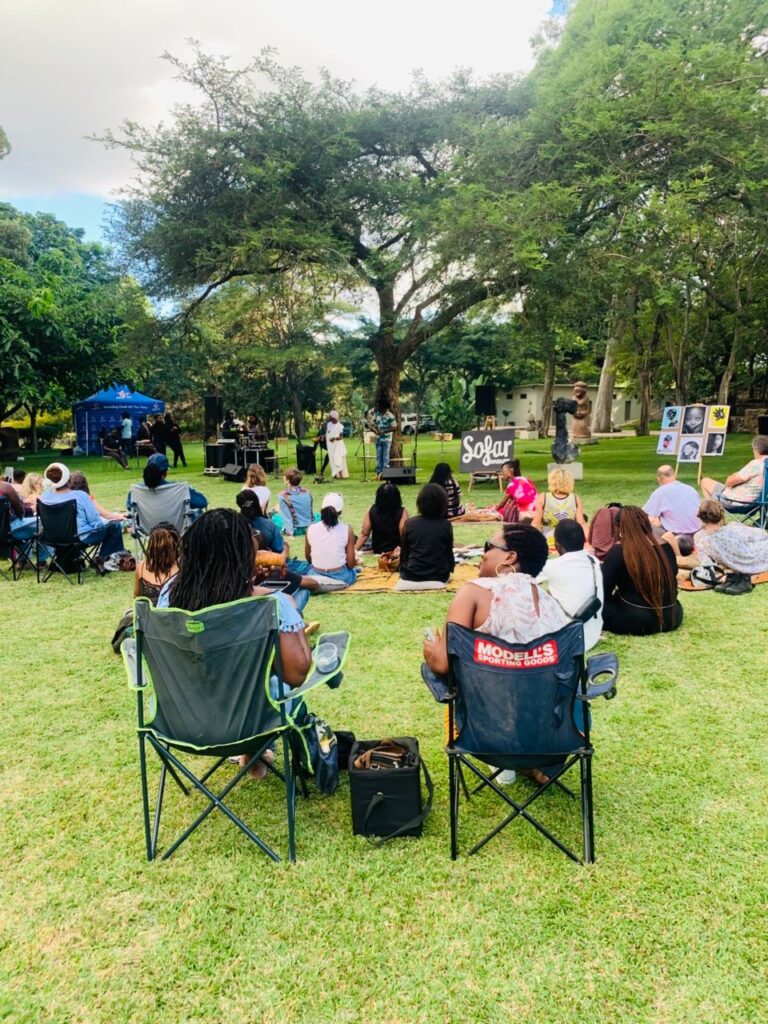
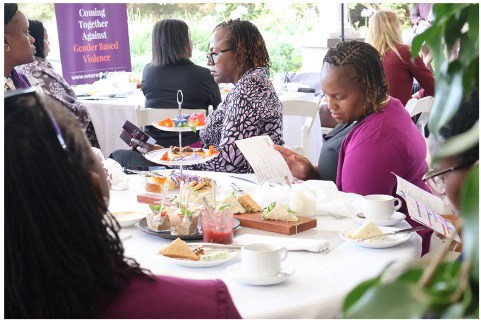
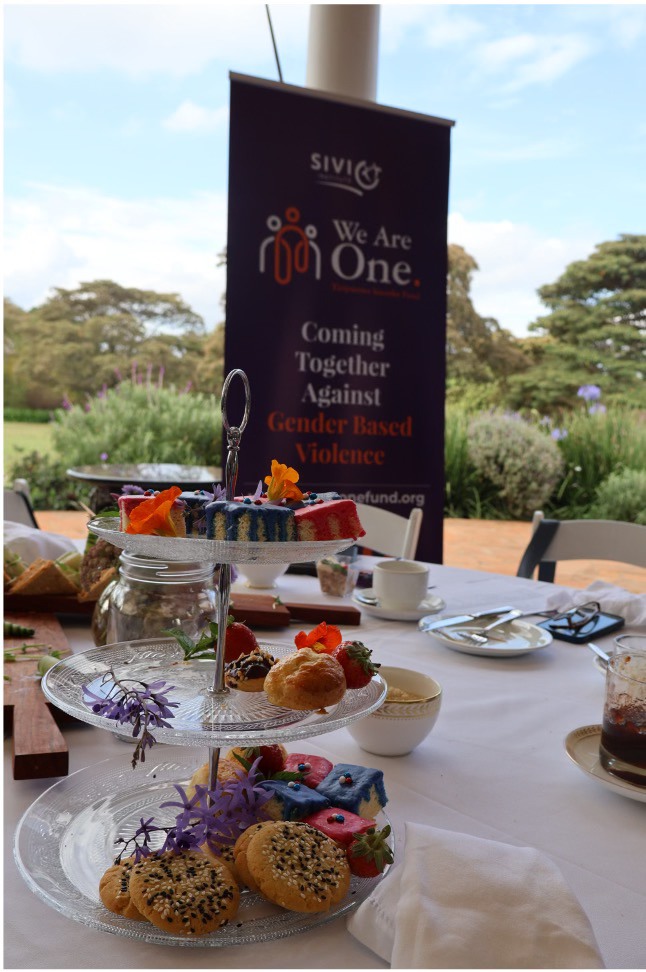
Recent We Are One Fund social fundraising events, including a men’s dinner and a music concert, offer important insights into how giving behaviours in Zimbabwe are evolving. These events were not merely fundraising platforms; they are carefully constructed social interventions designed to reshape perceptions around both GBV and philanthropy.
One of the most notable lessons from these convenings is the importance of framing. By positioning GBV not only as a women’s issue but as a societal and economic concern, the We Are One Fund has been able to engage demographics, particularly men and corporate actors, who have traditionally remained peripheral to such causes. The men’s dinner leveraged peer influence and social accountability, creating a space where giving is both a personal commitment and a public statement.
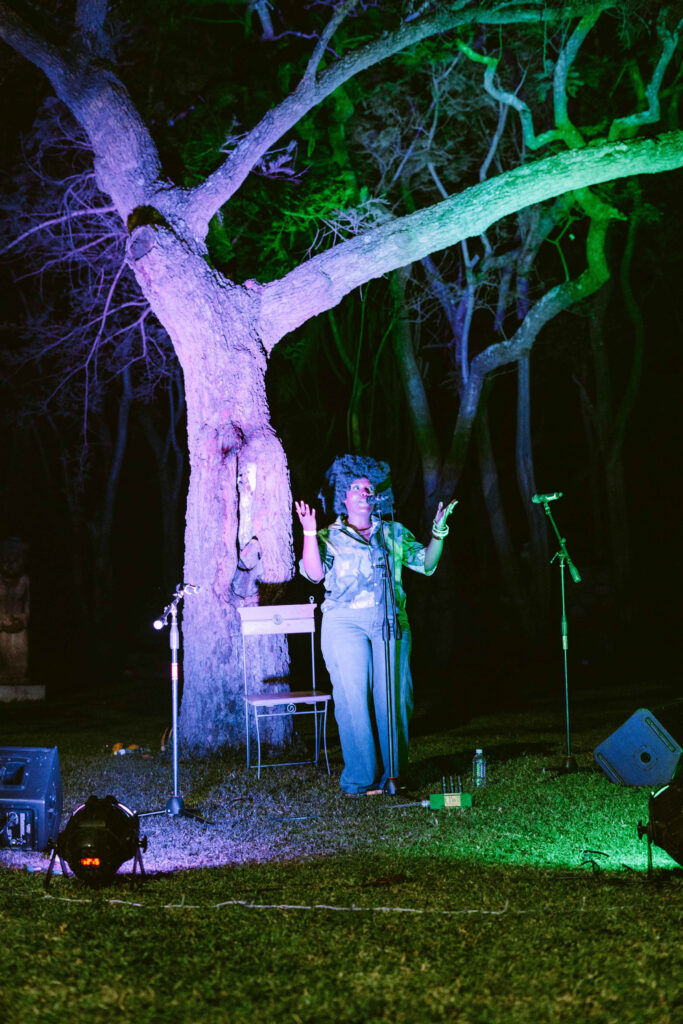
Similarly, the music concert demonstrated the power of cultural capital in mobilising support by creating a relaxed atmosphere for engagement while highlighting the urgent crisis of GBV.
Corporate Participation: From CSR to Strategic Social Investment
Another emerging trend, as learned through the We Are One Fund, is the gradual shift in how corporates engage with social causes. Traditionally, corporate social responsibility (CSR) in Zimbabwe has been characterised by ad hoc donations, often aligned with branding or compliance requirements. However, recent engagements suggest a move towards more strategic and issue-based participation.
Within the philanthropy ecosystem mapped by SIVIO Institute, business corporates are identified as important—yet underutilised—actors, with significant potential to contribute to community development (Satuku, Nolwazi and Cross, 2025). Of note, community foundations have expressed a strong desire to deepen engagement with corporate actors, recognising their capacity not only to provide funding but also to influence norms and mobilise additional resources.
Understanding unique corporate priorities and aligning fundraising efforts with the corporate planning and budgeting cycles, together with early, strategic engagement, is key to unlocking corporate giving. As such, fundraising for social causes such as GBV response must be approached as a long-term engagement strategy rather than a transactional ask, with careful attention to corporate decision-making timelines.
In the context of GBV, we are beginning to see corporates making strategic decisions to partner with the We Are One Fund under specific pillars. This reflects corporate giving as an investment in social stability and economic resilience.
Individual Giving: Small Contributions, Collective Impact
While corporate giving is evolving, the most significant shift may be occurring at the level of individual giving. Evidence from community philanthropy research indicates that individuals remain central to the ecosystem, both as donors and as mobilisers of resources (SIVIO Institute, 2026).
Experience from various targeted campaigns, including traditional and digital media, and social events undertaken by the We Are One Fund, has seen individuals giving and pledging financial solidarity to support GBV survivors. This represents a departure from traditional one-to-one assistance towards collective financing mechanisms that enable scale and sustainability.
Importantly, these contributions are often modest in monetary terms but significant in symbolic value. They signal a willingness to engage with formalised systems of giving and to trust frontline organisations to manage and allocate resources effectively.
The progress we note is consistent with findings from the Global Philanthropy Environment Index (2025), which recognises a growing interest in local giving across Africa, driven by increased awareness, digital platforms, and the visibility of impact.
Spotlight: The We Are One Fund, A Quarter of Impact
Informed by our experience through AfricaGiving, we remain committed to generosity. One of our signature initiatives, the We Are One Fund, has remained steadfast in its mission to mobilise resources supporting frontline organisations combating gender-based violence (GBV) in Zimbabwe in partnership with the British Embassy and DAI.
This quarter, the initiative saw major milestones. We released our first We Are One Newsletter, capturing the spirit of solidarity and funding drives from the past year. We also convened a Men’s Corporate Leadership Dinner on 26 February, a pivotal gathering that brought male leaders into the heart of the conversation and raised US$59,630 in individual and corporate donations, demonstrating the power of engaging men as champions in this fight.
We also welcomed new corporate partners, Premium Leaf Tobacco, Simbisa Brands, Southland Regional, Green Fuel and Ox Prop, joining our first partners, Telco and Nyathi Travel. Their in-kind and financial support underscores the growing confidence in our mission to build a sustainable ecosystem of corporate solidarity against GBV.
Recognising that meaningful change thrives on voice and capacity, we convened 14 communications representatives from partner organisations to the Communicating for Impact training (March 3–5) to sharpen skills in digital storytelling, organisational branding, and fundraising communication. The sessions not only built technical capacity but also deepened confidence in amplifying the stories that drive advocacy and transformation.
Finally, we closed the quarter on a creative note through a Sofar Sounds x We Are One concert at Chapungu Sculpture Park, a soulful Women’s Month event that merged music and meaning. With an all-women lineup and proceeds channelled to support GBV response, it was a fitting reminder that art, too, can mobilise compassion.
Challenges and Tensions
Despite witnessing positive trends, the shift towards structured giving remains fragile. Several challenges persist. Economic constraints cannot be overlooked. In contexts of high unemployment and income insecurity, discretionary giving competes with immediate household needs. While social fundraising events are effective entry points, sustaining giving beyond these moments requires robust systems for donor engagement, feedback, and impact reporting.
Looking Forward: Institutionalising the Shift
A sobering reality is that external support is no longer guaranteed—if anything, it is diminishing. This moment calls for a deliberate shift inward, where communities, corporates, and individuals recognise their collective agency in funding and strengthening responses to the challenges we face.
The question is no longer who will come, but how each of us will contribute to building resilient, locally driven solutions.
The emerging pattern of giving towards GBV survivors points to a broader transformation in how social development is financed. It suggests that, even in contexts where formal philanthropy has been limited, it is possible to cultivate a culture of giving that is both structured and locally rooted.
Going forward, equally important is the need to normalise giving as part of civic responsibility. This requires not only awareness campaigns but also visible examples of impact, showing how contributions translate into tangible support for GBV survivors.
Ultimately, the shift we are witnessing is not just about fundraising; it is about redefining the social contract. It is about recognising that addressing issues like GBV is not solely the responsibility of governments or NGOs, but a collective obligation, one that requires participation from individuals, corporates, and communities alike.
Progress may be slow, but it is steady. And in that steadiness lies the potential for lasting change.