-
Africa’s Path – Part 2 | What If… We Think Differently?
Africa’s Path – Part 2 | What If… We Think Differently? In this concluding episode of Africa’s Path, we move from diagnosis to action. Building on the continent’s current challenges, the conversation centres on what must be done to reclaim Africa’s development agenda. We explore practical solutions that empower local entrepreneurs, strengthen agency, and unlock
-
Africa’s Path – Part 1 | What If… We Think Differently?
Africa’s Path – Part 1 | What If… We Think Differently? This opening episode of Africa’s Path explores the continent’s current economic and social crossroads, drawing on an earlier insight. We unpack Africa’s debt challenges, food insecurity, and reliance on imports, while highlighting the urgent need to reframe prosperity beyond GDP. The conversation teases bold
-

Digital inclusion and African startups -has the internet really helped promote access?
In May of 2024, we published a report – An Assessment of Digital and Traditional Financial Inclusion of Micro, Small and Medium Enterprises in Kenya, Malawi and Zambia. This report was developed alongside an index (The SI-FIndex) measuring and comparing the level of access MSMEs have to financial products and services. When considering digital inclusion, this
-
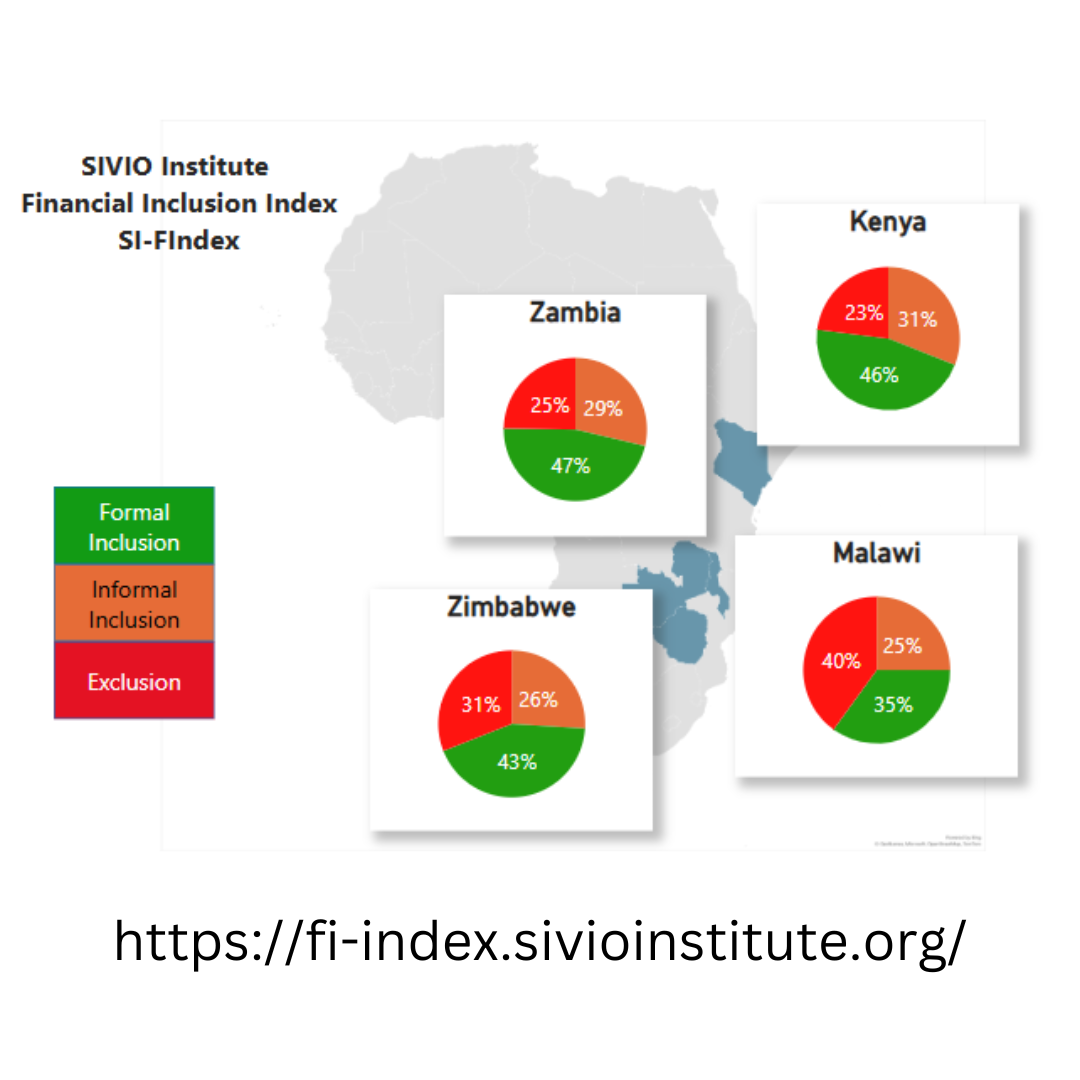
Compliance is still a key factor for determining the financial inclusion of MSMEs.
But when we consider the high rate of informality in Africa, does this mean we should re-think our objectives for financial inclusion, or should we change our focus when it comes to making informal MSMEs compliant? How far have we come with financial inclusion? In the last few years, financial inclusion has become an important
-

The Fourth Industrial Revolution and Africa’s SMEs: Some Big Gaps with Lot’s of Space for Growth!
MSMEs (Micro, Small, and Medium Enterprises) in Africa Micro, small, and medium enterprises (also known as MSME’s) are the vast array of startups which characterise our economies. They range from small one-man operations on the roadside or a barber’s chair or the influencer behind a computer, to larger more affluent businesses with numerous employees, robust
-
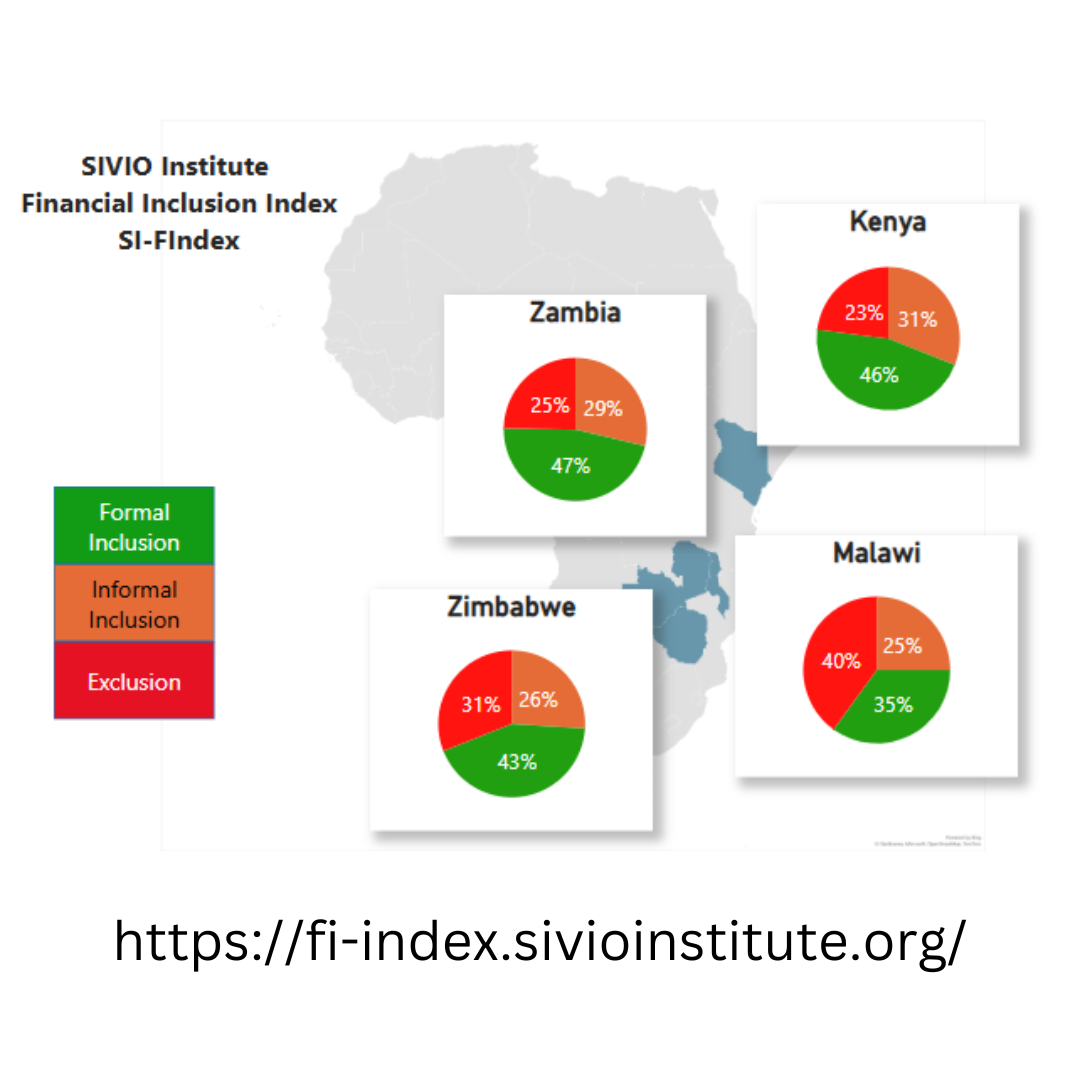
Launch of the Financial Inclusion Index
Today on the 14th of May we launched the second iteration of the financial inclusion index which expands to now compare the levels of financial inclusion of micro, small and medium enterprises (MSMEs) in Kenya, Malawi, Zambia and Zimbabwe. The launch included insights from the researchers Belinda Chaora, Andrew Chisopo and Jackline Gachiri as well
-
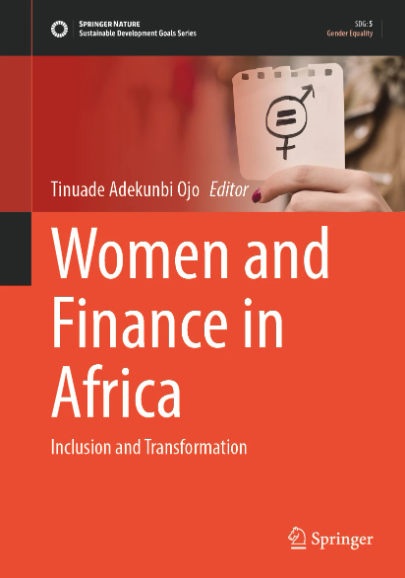
Book chapter – Women and Finance in Africa: Inclusion and Transformation
Women and Finance in Africa: Inclusion and Transformation This volume presents a collection of cases that examine the status of financial inclusion for women across a variety of states in the African continent. The book uses a qualitative research method and presents both primary to secondary data to narrate the impact of gender-responsive budgeting on
-
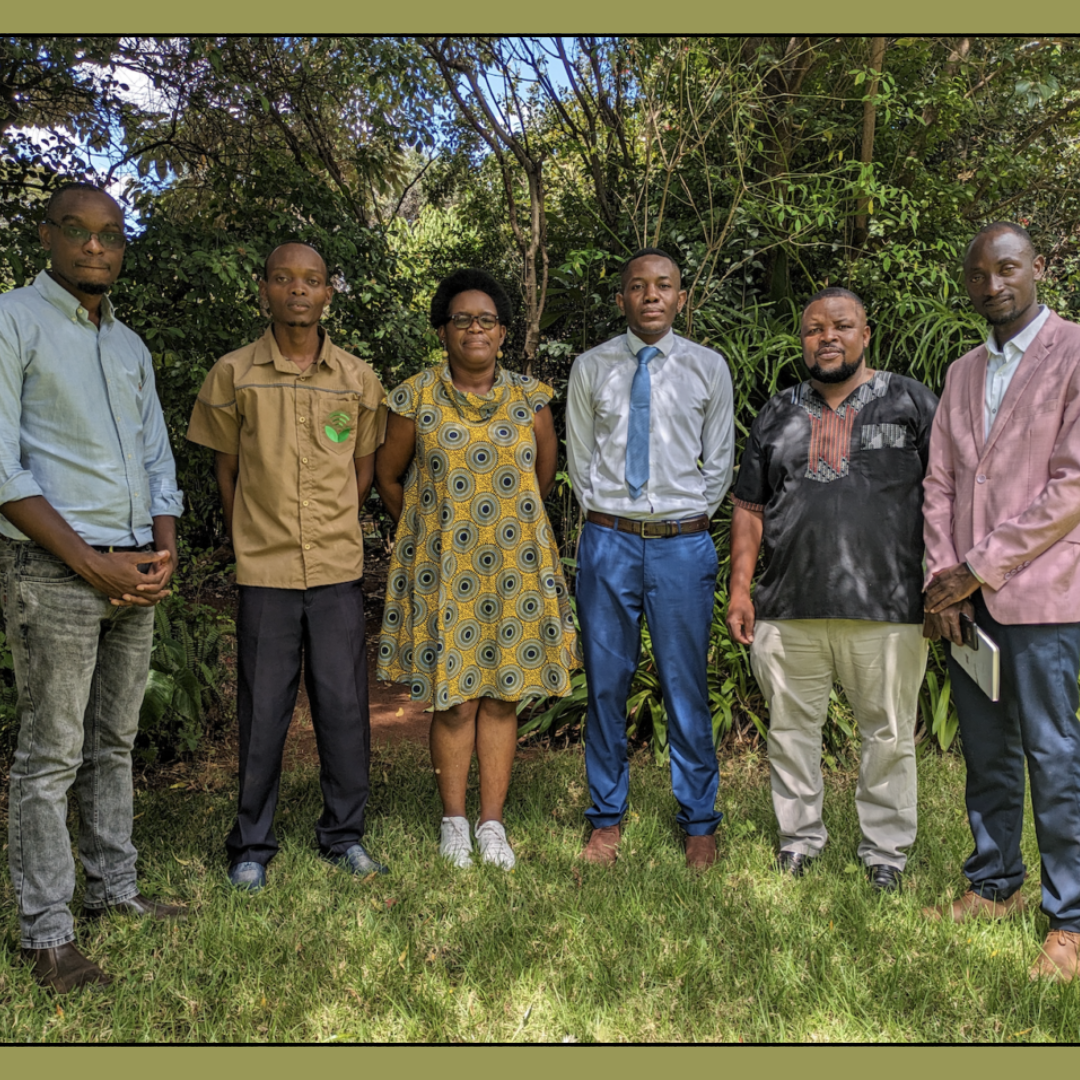
The Social Entrepreneurship Lab Has a Finalist!
In 2023 SIVIO Institute launched the Social Entrepreneurship Lab. The ‘lab’ was designed to practically walk startup founders or individuals with impactful ideas from ideation to a business establishment. The participants were chosen from across the country, to either crystallize their ideas or help them create systems leading to the establishment of a business that
-
Report Publication- Digital Financial Inclusion of MSMEs In Zambia
As part of our financial Inclusion series, we have a report on Zambia which is now published. This report series is part of a three country study conducted in Kenya, Malawi and Zambia in the last quarter of 2023, assessing the level of digital financial inclusion of micro, small and medium enterprises (MSMEs). The Malawi
-
Report Publication- Digital Financial Inclusion In Malawi
SIVIO Institute has published another report on financial inclusion. This report An Assessment of Digital Financial Inclusion of MSMEs in Malawi which was published on the 17th of April as part of a survey conducted in Lilongwe (Area 3, 15, 18 and 47) in the last quarter of 2023. The survey assesses micro, small and medium